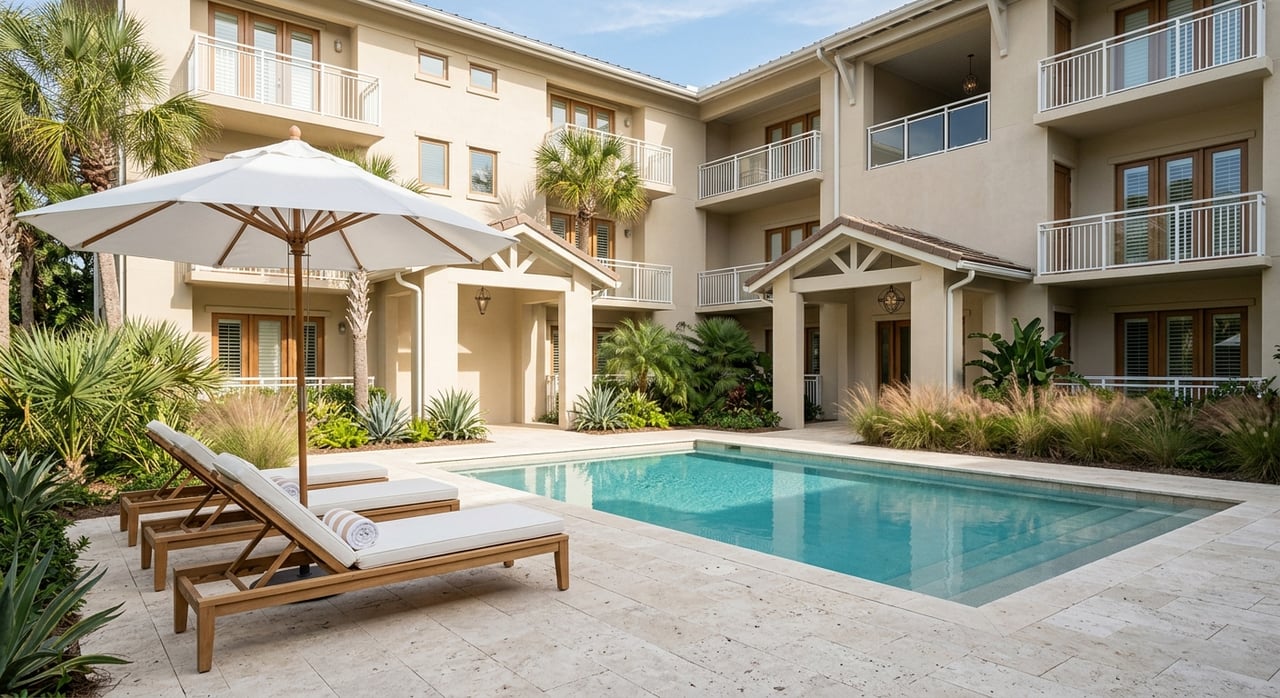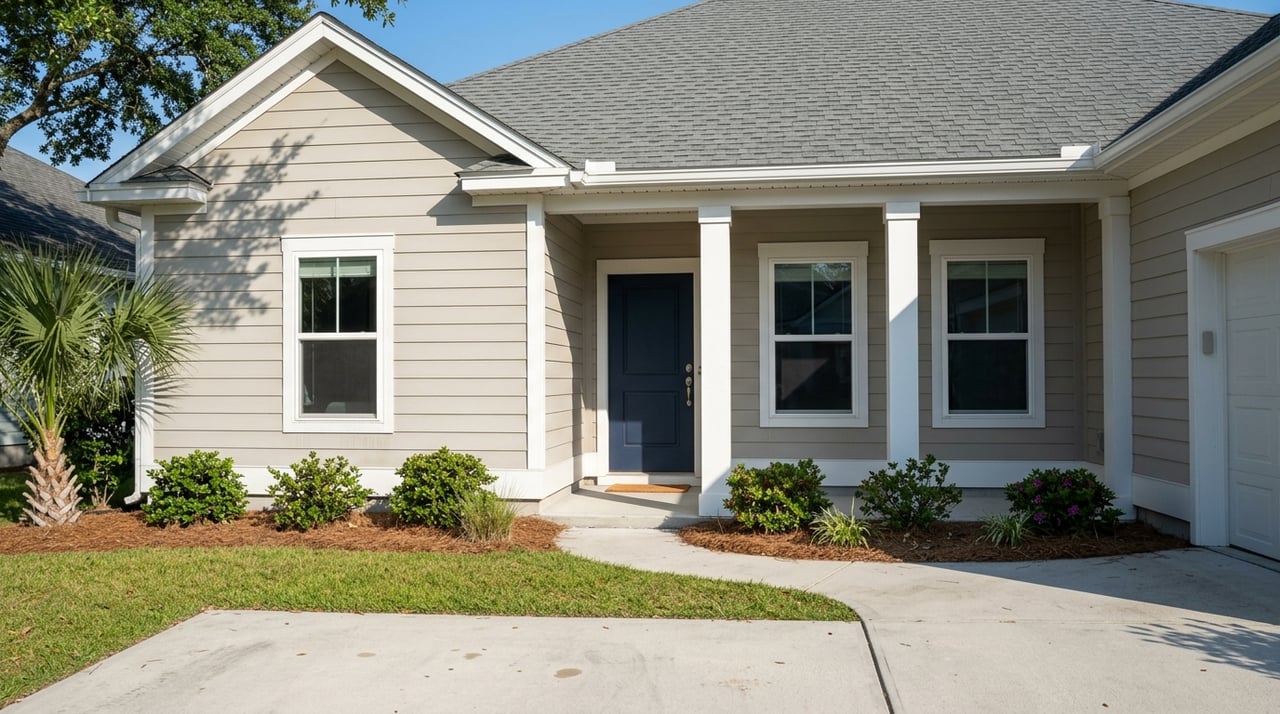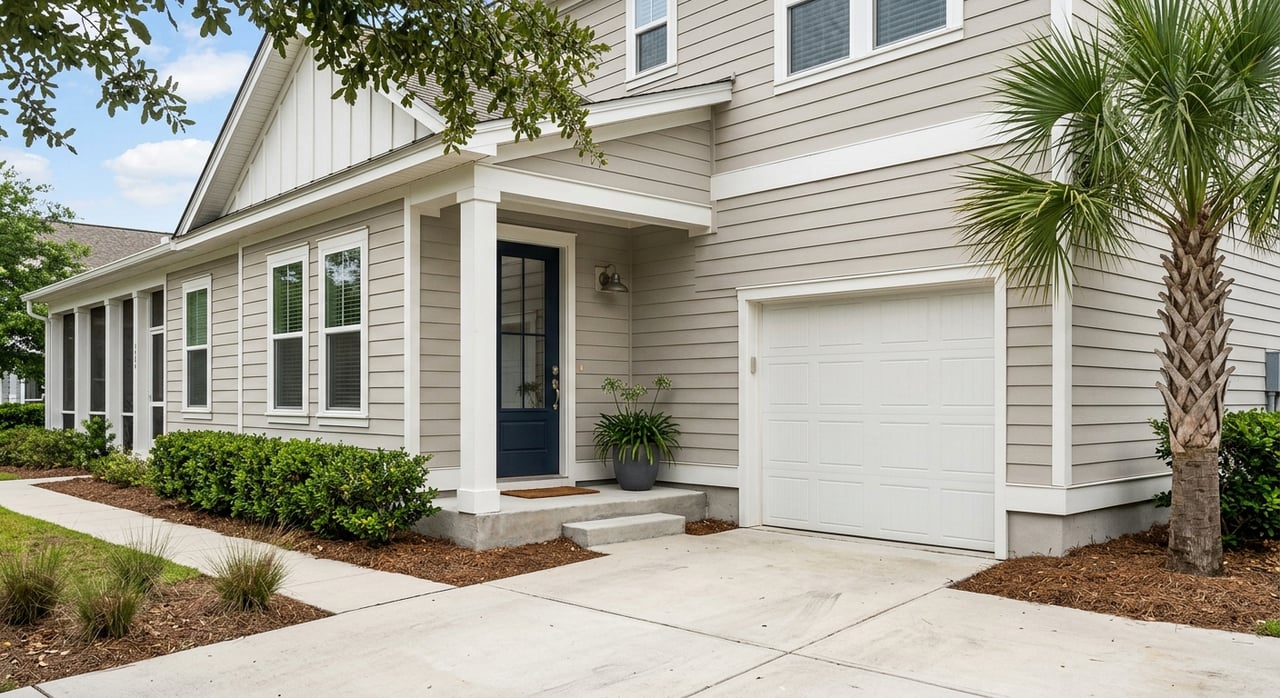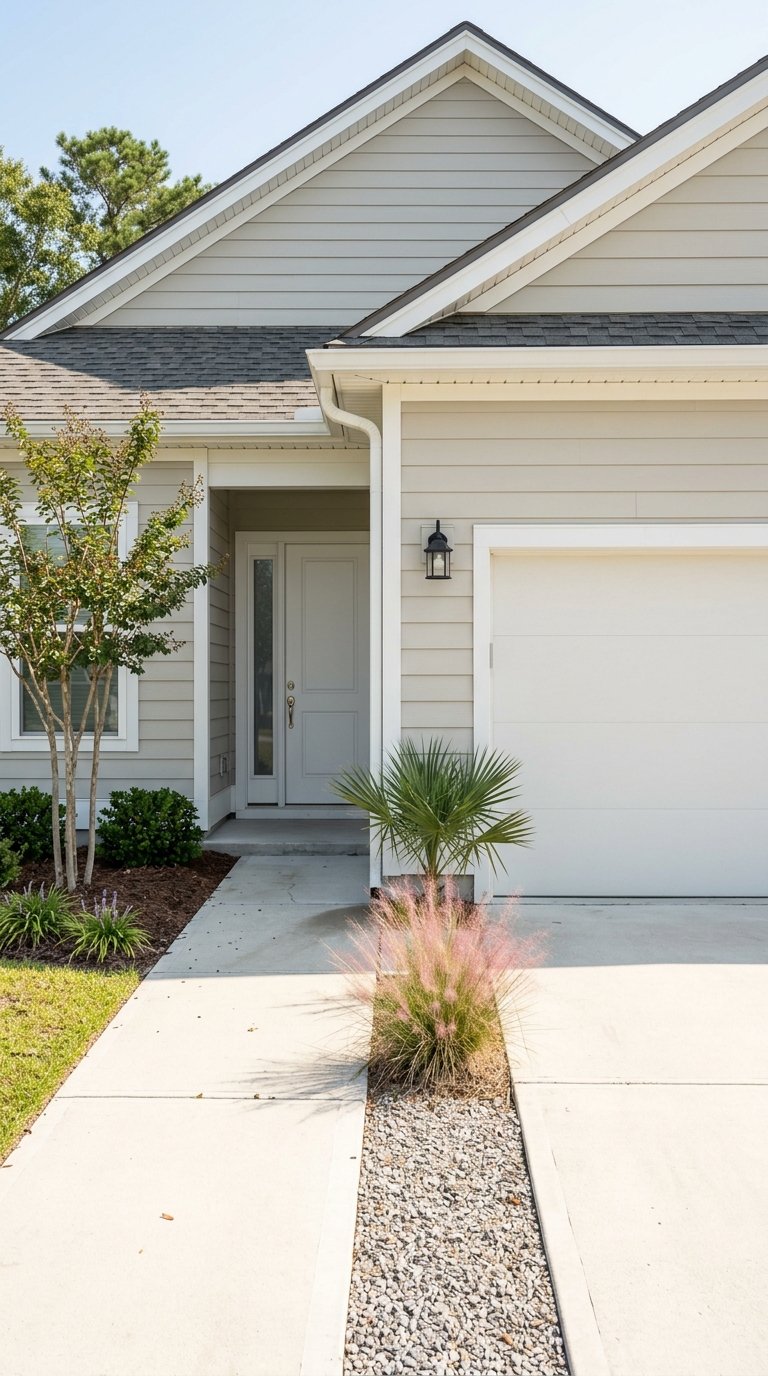
If you are thinking about holding a home instead of selling it, Carolina Forest is one of those areas worth a closer look. You want more than a hopeful guess about rental income. You want to know whether demand is real, what types of homes tend to attract long-term tenants, and which costs can change the numbers quickly. This guide will help you understand what the data says about long-term rental potential in Carolina Forest and what to evaluate before you make a move. Let’s dive in.
Why Carolina Forest Gets Attention
Carolina Forest has the size and stability that many owners look for when they are considering a long-term rental strategy. According to U.S. Census QuickFacts for Carolina Forest, the community has 23,342 residents, a 69.6% owner-occupied housing rate, and a median gross rent of $1,668.
That owner-occupied share also suggests a meaningful renter presence. Roughly 30.4% of housing is renter-occupied, which matters because it points to an established rental market rather than a purely ownership-driven area. The same Census data shows 85.5% of residents lived in the same house one year earlier, which can be a positive sign for owners who value stability.
Population Growth Supports Demand
One of the clearest reasons Carolina Forest stays on investors’ radar is regional growth. Horry County QuickFacts shows the county reached an estimated 413,391 residents as of July 1, 2024, up 17.8% from the 2020 base.
The wider Myrtle Beach-Conway-North Myrtle Beach metro also continues to expand, reaching 427,551 in the Census Bureau’s 2025 estimate. Growth does not guarantee that every rental will perform well, but it does create a stronger backdrop for year-round housing demand. In a suburban area like Carolina Forest, that can support steady interest from households relocating to the region.
What Rental Pricing Looks Like
Rental potential starts with realistic pricing, not best-case assumptions. HUD’s FY2026 Fair Market Rents for the Myrtle Beach-North Myrtle Beach-Conway area are $1,229 for a one-bedroom, $1,465 for a two-bedroom, $1,805 for a three-bedroom, and $2,111 for a four-bedroom home.
Live listing snapshots show asking rents can run higher depending on product type and location. Realtor.com currently shows a Carolina Forest median rental price of about $1,950, while current search snapshots on Zillow show a large pool of rental options in the area. These figures are best treated as a real-time snapshot, not a fixed market average, but they still help frame what tenants are seeing today.
Who Rents in Carolina Forest
Understanding the likely renter pool can help you decide whether your property is a fit for the market. In Carolina Forest, the data suggests demand is not coming from just one type of tenant.
Families Needing Year-Round Housing
Families appear to be an important part of the local renter base. Census data shows 22.2% of residents are under 18, and Horry County Schools announced that two new elementary schools in Carolina Forest were scheduled to open by August 2025, along with attendance line changes for the 2025-2026 school year.
That does not rank schools or make promises about any one neighborhood. It does, however, signal ongoing residential growth and the kind of year-round demand that can matter to owners considering a long-term hold.
Working Households
Working households are another likely renter group. Census QuickFacts for Carolina Forest reports an average commute time of 22 minutes and broadband access in 94.9% of households.
The same source also shows notable local activity in accommodation and food services, health care and social assistance, and retail sales. Put simply, Carolina Forest offers a suburban setting that can work well for people who want practical access to jobs, services, and everyday routines.
Older Adults and Downsizers
Not every renter is looking for a large family home. Census data shows 18.3% of Carolina Forest residents are age 65 or older, which suggests there is also space in the market for smaller, easier-to-maintain homes.
That can make certain townhomes, single-level homes, and smaller detached properties attractive as long-term rentals. If your home offers convenience and a manageable layout, it may appeal to a broader tenant pool than you think.
Property Types With Strong Potential
The best rental property is usually the one that matches local demand and stays practical to operate. In Carolina Forest, current listing snapshots suggest both detached homes and attached homes can compete.
Zillow’s Carolina Forest rental house search shows 81 houses for rent, while its townhome rental search shows 20 townhomes for rent. The townhome examples generally fall from the low-$1,400s to around $2,000, which lines up with demand from both smaller households and renters who still need multiple bedrooms.
Features That Tend to Help
While every home is different, these traits often make a property easier to lease in this market:
- Two to four bedrooms for families, roommates, or flexible household needs
- Multiple bathrooms for convenience
- Garages or practical storage space
- Bonus rooms or flexible layouts that support work, hobbies, or guests
- Access to commuter routes, shopping, and daily services
- Lower-maintenance exterior living in townhome or condo formats
These are not guarantees of performance. They are practical patterns based on local demographics and the types of rentals currently on the market.
The Numbers Need a Full Review
A home can look attractive as a rental on paper and still disappoint if the expense side is incomplete. That is especially true in a market where rents are solid but not unlimited.
Property Taxes Can Change
One of the biggest items to review is tax classification. Under South Carolina law, owner-occupied legal residences are assessed at 4% of fair market value, while other real property is assessed at 6%.
If you fully convert a home into a long-term rental, you should expect that higher 6% assessment class to become part of the equation unless a specific owner-occupant exception applies. That shift can materially affect your monthly carrying cost.
State Rules Matter
Landlords should also understand the statewide rules that apply to rent and deposits. South Carolina law provides that counties and municipalities may not regulate rent for privately owned residential rental property, and it also sets rules for how security deposits must be handled.
For example, deductions must be itemized and the balance returned within 30 days after the tenancy ends and possession is delivered, assuming the tenant provides a forwarding address. Before you convert a home to a rental, it is smart to review these requirements carefully.
Expenses Can Make or Break Cash Flow
Rental potential is not just about rent. You should model all of the likely carrying costs, including:
- Property taxes
- Insurance
- HOA dues
- Maintenance and repairs
- Vacancy periods
- Turnover costs
- Property management fees, if applicable
This is where many owners get tripped up. A home with decent rent potential can still underperform if the taxes, dues, or maintenance needs are higher than expected.
How to Evaluate Your Home
If you are deciding whether to sell or hold, start with a simple, honest review of your property. Ask whether the floor plan fits likely long-term renters, whether the home is in solid condition, and whether the location supports everyday convenience.
Then compare your property against active rentals, not just sold sales comps. Look at bedroom count, square footage, condition, and what the asking rents seem to be for similar homes in Carolina Forest. The goal is not to chase the highest listing you can find. The goal is to estimate what your home could realistically command in today’s market.
The Bottom Line on Carolina Forest Rentals
Carolina Forest appears to have genuine long-term rental potential because it combines population growth, a meaningful renter share, active rental inventory, and year-round housing demand from a mix of households. That said, the right takeaway is not that every property will make a strong rental.
The better conclusion is that Carolina Forest is large and stable enough to justify a careful hold-and-rent analysis. If you are weighing your options, the smartest next step is to review local comps, condition, restrictions, and true operating costs before you decide.
If you want help comparing sale value versus rental potential in Carolina Forest, reach out to Mary Richards. You can get practical guidance based on local market activity, your property’s position, and your goals as a homeowner or investor.
FAQs
Is Carolina Forest a good area for long-term rentals?
- Carolina Forest shows several positive signs for long-term rentals, including regional population growth, an established renter share, and active inventory across houses and townhomes.
What kinds of homes rent well in Carolina Forest?
- Two- to four-bedroom homes, townhomes, and lower-maintenance properties with practical layouts, multiple bathrooms, and convenient access to daily needs often fit the local market well.
What are fair market rents near Carolina Forest?
- HUD’s FY2026 Fair Market Rents for the Myrtle Beach-North Myrtle Beach-Conway area are $1,229 for one-bedroom units, $1,465 for two-bedroom units, $1,805 for three-bedroom units, and $2,111 for four-bedroom units.
How does converting a Carolina Forest home to a rental affect property taxes?
- In South Carolina, owner-occupied legal residences are generally assessed at 4% of fair market value, while non-owner-occupied real property is generally assessed at 6%, which can increase carrying costs.
What should Carolina Forest owners review before holding a home as a rental?
- You should review realistic rent comps, property condition, HOA rules, tax classification, insurance, maintenance, vacancy risk, and any management costs before deciding to hold the property.