Looking for a beach home in Pawleys Island but not seeing the right options online? You’re not alone. In this small, coastal market, many of the most desirable homes trade quietly through trusted networks before they ever hit public sites. If you want early and discreet access, you need a plan. In this guide, you’ll learn where off‑market opportunities actually live, how to prepare so you get the first call, and what to watch for with coastal due diligence. Let’s dive in.
Why off‑market matters in Pawleys Island
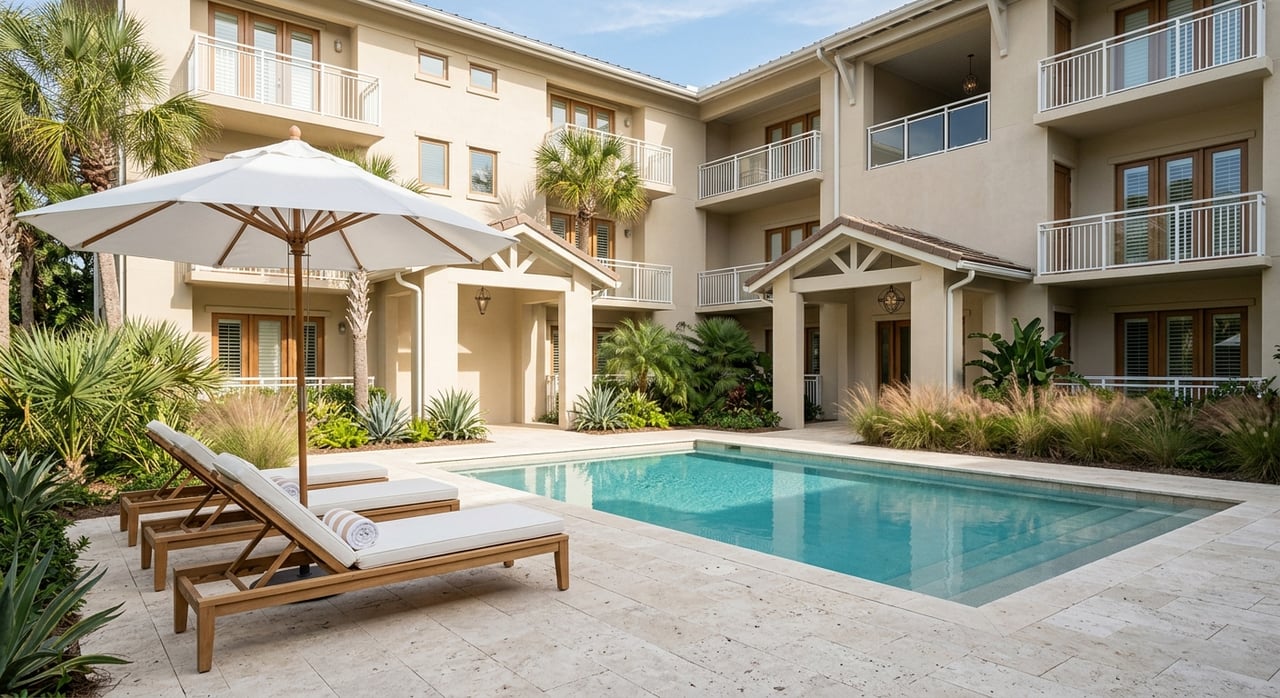
Pawleys Island sits on a narrow stretch of coast in Georgetown County with beachfront, marshfront, and historic properties. Inventory is limited, and seasonal demand from second‑home buyers is high. That combination makes early access valuable.
Many privacy‑minded sellers prefer selective marketing. Some developers and custom builders also release lots or homes to trusted lists before public announcements. If you’re ready and connected, you can see quality homes first and move with confidence.
Where off‑market deals live
Agent networks and relationships
For luxury and second‑home properties, local agent networks are the top source of quiet opportunities. Well‑connected brokers share upcoming listings and private offerings with buyers who are prepared. You benefit from vetted inventory, confidentiality, and context on timing and price.
How to use it:
- Engage a local agent with deep ties across Pawleys Island and the Grand Strand.
- Ask for introductions to agents focused on specific island and marshfront enclaves.
- Share your proof of funds or pre‑approval so you’re prioritized when a lead surfaces.
“Coming Soon” and pre‑market MLS status
Some homes appear as Coming Soon before they are fully active. Rules vary by MLS and can change, including whether showings or offers are allowed during this period. Your agent should verify the current policy and the seller’s timeline so you understand access, showings, and when the listing will go live.
How to use it:
- Set alerts for Coming Soon in your target neighborhoods.
- Ask your agent to confirm showing rules and disclosure timing before you tour.
Private or pocket listings
A pocket listing is marketed privately within a brokerage or select network. It offers sellers maximum discretion and can give ready buyers a head start. There is increased scrutiny around pocket listings, so it’s important your agent follows all rules and keeps fair housing top of mind.
How to use it:
- Work under a written buyer‑agency agreement that outlines access and compensation.
- Ask for written terms and clear timelines if you enter negotiations.
Direct owner outreach
Reaching out to owners can uncover sellers who were not planning to list. This is most useful for unique lots, legacy cottages, or properties with specific features.
How to use it:
- Target owners using public property and tax records, especially absentee owners.
- Coordinate with your agent or attorney for compliant outreach and scripts.
- Expect low response rates and be patient and respectful.
Builders, developers, and spec homes
New builds and lots sometimes go to private lists before public release. Early contact can secure a lot or a custom build slot.
How to use it:
- Have your agent connect with local builders and architect firms.
- Track local permit activity to spot pipeline projects.
- Review builder contracts carefully, since terms often favor the developer.
Expired, withdrawn, FSBO, and probate
Properties that left the market, are for sale by owner, or are part of an estate can offer less competition. The tradeoff is that timelines or terms might be unusual.
How to use it:
- Monitor the MLS for expired and withdrawn listings that match your criteria.
- Look into public probate records and courthouse notices.
- Be prepared for extended timelines in estate sales and request full disclosures.
Title companies, attorneys, and off‑market networks
Local title companies and attorneys sometimes know of sellers planning a quiet sale. Access depends on professional relationships and confidentiality.
How to use it:
- Let your agent cultivate these relationships on your behalf.
- Expect NDAs and limited information until you demonstrate seriousness.
Digital and social channels
Local Facebook groups, neighborhood boards, and email lists can hint at upcoming availability. There’s noise, but you can catch early signals.
How to use it:
- Follow local brokerages and neighborhood pages.
- Set keyword alerts for your target streets or communities.
Get buyer‑ready before you look
Off‑market opportunities move fast. If you want a first look, have your documentation and strategy ready.
- Proof of funds or firm pre‑approval from a lender experienced with waterfront and second homes.
- A written buyer‑agency agreement that covers confidentiality and compensation.
- Clear terms you can offer: strong earnest money, defined contingencies, and an inspection plan.
- NDA readiness if a seller requests it. Have counsel review unusual terms.
- A flexible schedule for showings and quick decision windows.
How timing and negotiation differ
Off‑market and pre‑market deals often compress decision times into 24 to 72 hours so a seller can avoid broad exposure. In contrast, estate or probate sales can be slower due to legal steps.
Pricing can go either way. Private sellers sometimes accept speed and certainty instead of full market exposure. Highly desirable coastal homes may command a premium because access is limited. Use local comps, your agent’s pricing input, and, when appropriate, an appraisal contingency to ground your offer.
Consider escalation clauses carefully. They are common in competitive public listings but can be sensitive in private negotiations. Discuss whether they help or hurt your position in each situation.
Due diligence for coastal properties
Private sales do not reduce the need for thorough checks. In fact, they increase it.
- Title search, ownership history, and any easements.
- Updated survey. Lot lines, encroachments, and setbacks are essential near dunes and marsh.
- Flood considerations. Review FEMA maps, elevation certificates, and insurance implications.
- Coastal permitting history for any seawalls, docks, dune walkovers, or prior work.
- HOA covenants and rental rules if applicable, especially if you plan short‑term rentals.
- Full inspections, plus specialists for coastal issues: pilings, seawalls, termite/wood rot, HVAC.
- If relevant, prior short‑term rental history and occupancy restrictions.
Respect the rules: MLS, ethics, and privacy
Rules for Coming Soon, pocket listings, and broker‑exclusive marketing vary by region and continue to evolve. Your agent must follow local MLS policies, state regulations, and national guidance.
Fair housing laws apply to off‑market activity. Marketing or selection that excludes protected classes is not allowed. When NDAs are used, they should protect privacy without limiting required disclosures or your legal rights. Finally, make sure agency relationships and compensation are documented so there are no surprises.
A simple plan to start in Pawleys Island
- Clarify goals and non‑negotiables. Define location, water access, rental needs, and budget range.
- Get fully vetted financially. Secure proof of funds or a pre‑approval tailored to second‑home lending.
- Hire a connected local advisor. Choose an agent with Pawleys Island expertise, strong luxury networks, and experience with confidential listings and NDAs.
- Set up private‑inventory tracking. Combine MLS Coming Soon alerts, agent network outreach, builder contacts, and public record research.
- Prepare your offer playbook. Agree on initial offer framework, contingencies, inspection timeline, and NDA process.
- Execute due diligence. Order title, survey, flood and elevation reviews, and specialist inspections early.
When you want early access and a confident path from discovery to closing, local relationships and preparation make the difference. If you’re ready to start a private search on the island or along the marsh, connect with Mary Richards for curated opportunities and a clear plan.
FAQs
How common are off‑market homes in Pawleys Island?
- In small, second‑home markets like Pawleys Island, a meaningful share of high‑end or unique properties sell privately or with selective marketing. Exact percentages vary over time.
Will I pay more for an off‑market property?
- It depends. Private deals can reduce bidding wars, but scarce, high‑demand homes may command a premium. Price reflects seller motivation and local demand.
Are off‑market purchases safe for buyers?
- Yes, when you use experienced local professionals, conduct full due diligence, and document the transaction with proper agreements, escrow, and title support.
What should I have ready before touring privately?
- Proof of funds or pre‑approval, a written buyer‑agency agreement, clear terms, earnest money, and willingness to sign NDAs if requested.
Are “Coming Soon” listings worth tracking?
- They can be valuable. Rules differ by MLS, so confirm whether showings or offers are allowed and the seller’s timeline for going active.
What legal issues should I watch for in private sales?
- Look out for incomplete disclosures, title defects, fair housing compliance, unclear agency or compensation, and NDA terms. Consult your agent and attorney on specifics.