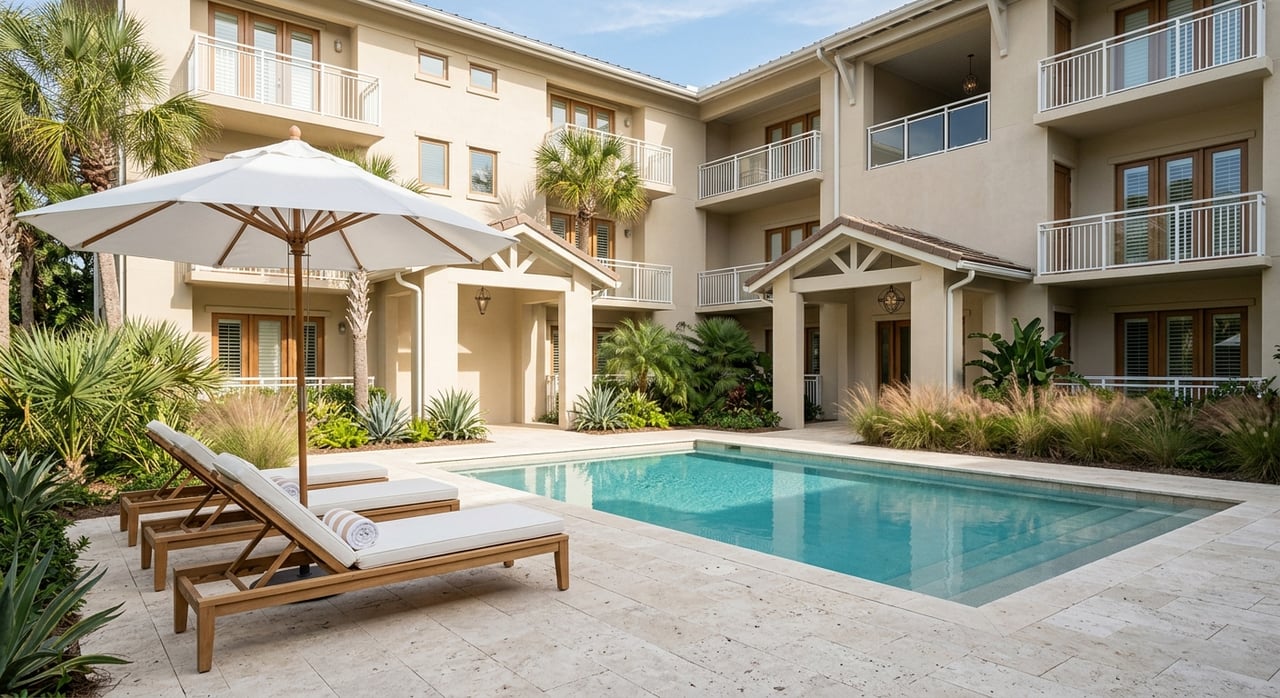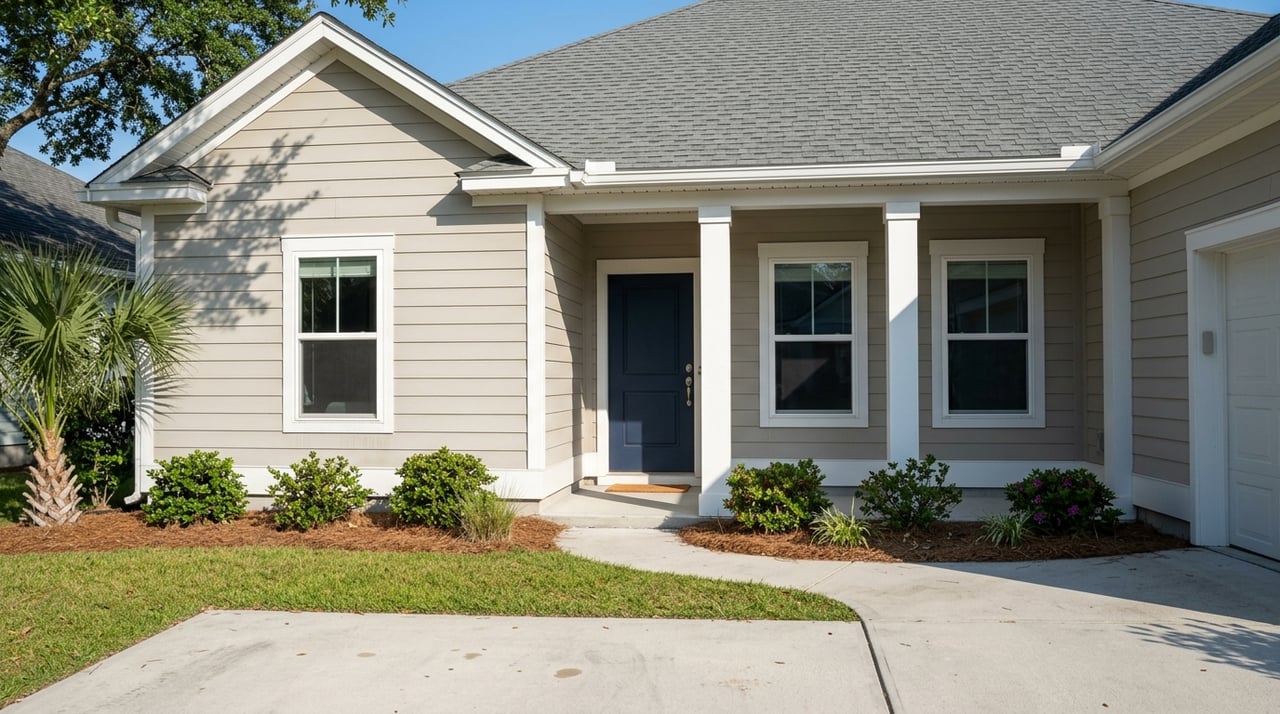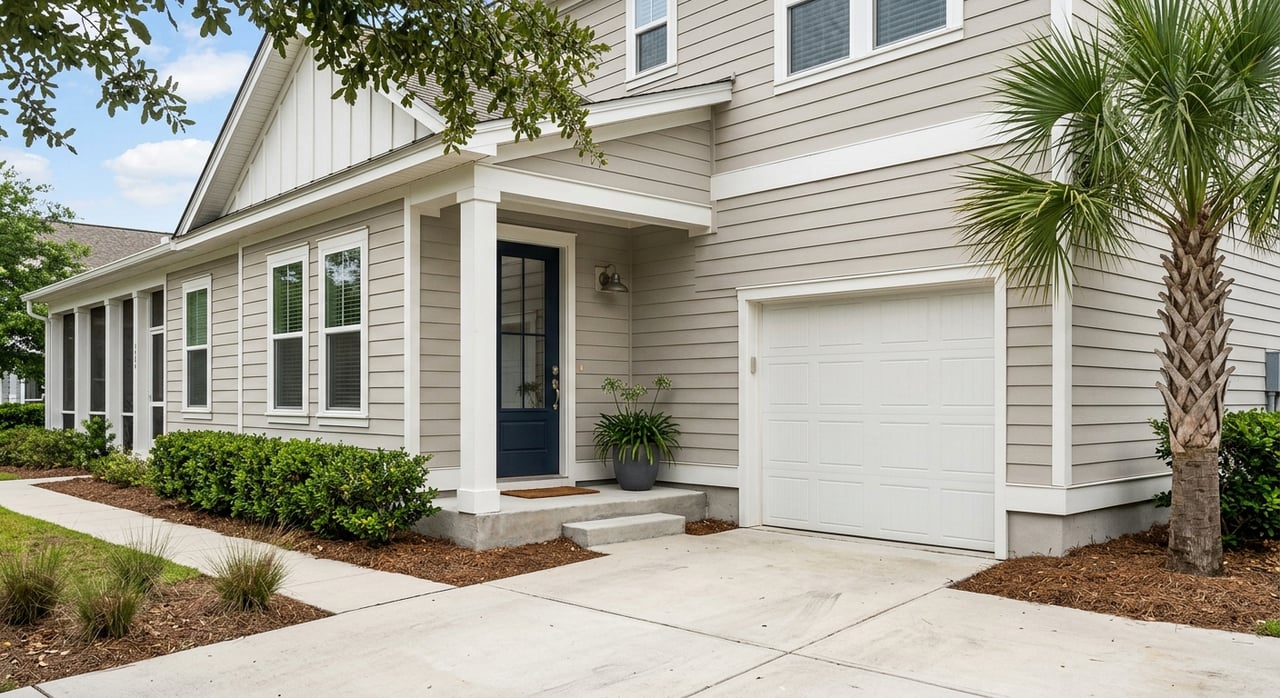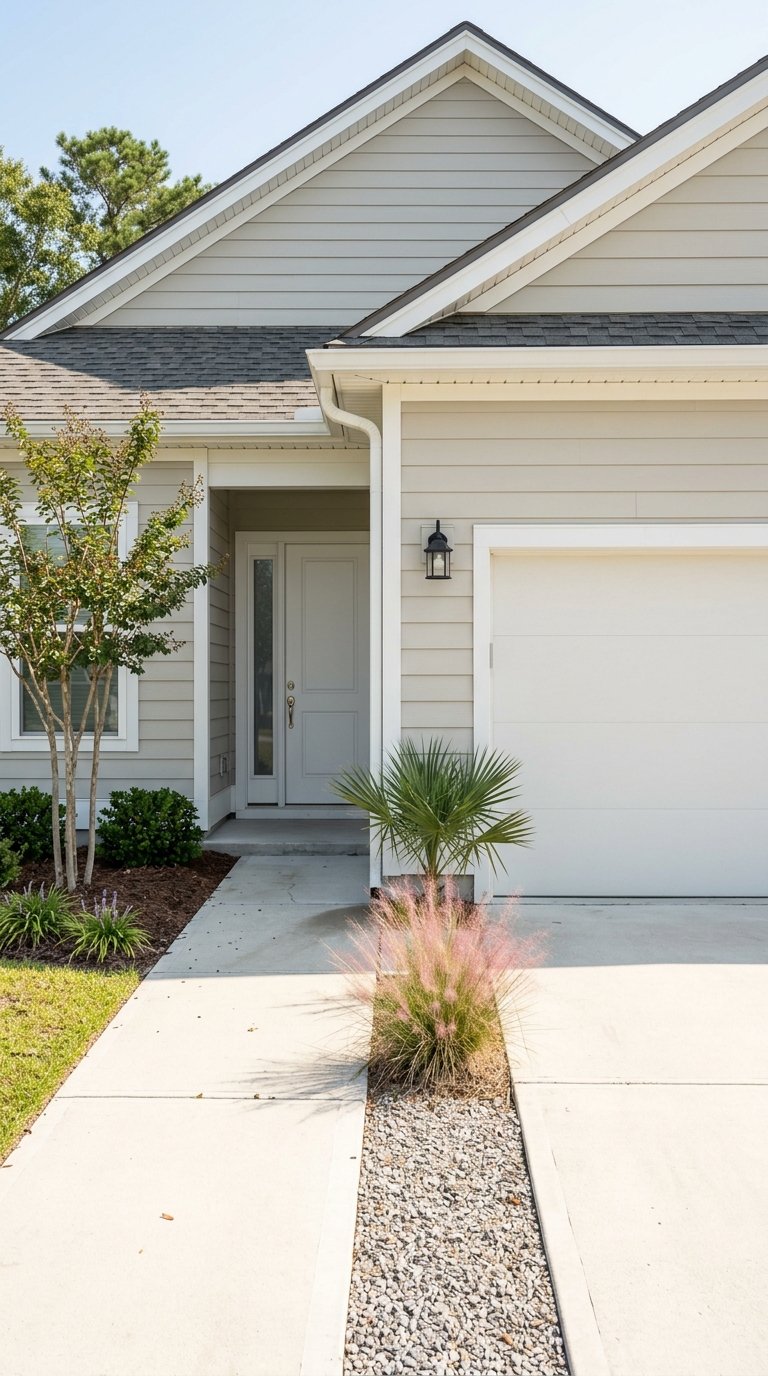
Thinking about a coastal escape in Pawleys Island, but also eyeing rental income? You are not alone. Many buyers come here for the calm beaches and laid-back lifestyle, then realize the area also has strong vacation rental demand. The right choice depends on your goals, your financing, and where exactly the property sits on the map. In this guide, you will learn how to choose between a personal getaway, an income-first investment, or a hybrid approach, plus the local rules, taxes, flood realities, and a quick revenue framework to run the numbers. Let’s dive in.
Start with your goal
Vacation getaway (second home)
If your top priority is personal time at the beach with minimal hassle, a second home can fit well. You will want low maintenance, clear HOA rules for occasional guests, and easy access to the shore or amenities. If you plan occasional paid rentals, confirm that your lender’s second-home rules allow it and that the municipality and HOA permit short-term stays.
Income-first investment
If cash flow is the priority, treat the property like a business. Underwrite with conservative revenue assumptions and budget for management, cleanings, insurance, taxes, and repairs. Expect investment financing to require a larger down payment and stronger reserves than a second-home loan.
Hybrid plan
Many buyers want a few prime weeks for themselves, then rent the rest of the year. This can work, but it requires careful planning. Confirm lender rules for hybrid use, verify short-term rental permissions, and set realistic expectations for seasonal revenue.
Know your map and rules
Town vs unincorporated areas
“Pawleys Island” can mean two different things. There is the small incorporated Town of Pawleys Island with its own ordinances, and the larger Pawleys Island and Litchfield area in unincorporated Georgetown County. Short-term rental rules can differ sharply between these jurisdictions. Always verify the parcel’s boundary and current policy with Town Hall before you rely on rental income. The Town’s page on short-term vacation rentals provides current guidance and contacts for verification. You can review that information on the Town website at the page for short-term vacation rentals.
HOA and community rules
Even if the county allows short-term rentals, a community’s Covenants, Conditions and Restrictions can limit or forbid them. In the broader Litchfield market, property managers often publish minimum-stay and guest rules that shape how rentals operate. Review a sample set of guest and stay policies, such as the Litchfield area rental policies, then ask the specific HOA for its current rules on minimum nights, parking, amenity access, and whether you must use an approved manager.
Local taxes and registrations
Short stays in South Carolina are generally subject to a combined state component often summarized as around 7 percent, with additional local accommodations taxes possible. Most hosts must register with the state and remit applicable taxes. Some platforms may collect the state portion but not always local amounts, so confirm your exact obligations with the county or a tax advisor. The University of South Carolina provides an overview of state sales and accommodations tax processes on its tax management page.
Flood and insurance realities
Flood risk is a first-order check
The Town reports that the entire Town of Pawleys Island is in a flood hazard area and participates in the National Flood Insurance Program’s Community Rating System at Class 5, which currently reflects a 25 percent discount on flood premiums. Expect to check FEMA flood maps early, request an elevation certificate, and price flood coverage for any oceanfront or marsh property. You can find Town guidance and elevation resources on the flood information page. Use the FEMA Map Service Center to confirm the flood zone for any specific parcel.
Wind and hurricane coverage
Coastal homes typically require wind-specific endorsements and may have higher wind or hurricane deductibles. Request quotes from multiple carriers for the address you are considering, and confirm whether a policy covers short-term rental use if you plan to host guests.
What the numbers could look like
Revenue and costs vary widely by location and property type, so build your own pro forma with several comps. The quick framework below shows how to think about an ocean-near condo or cottage. It is a simple starting point only.
- Step 1: Estimate gross bookings. Use a realistic average daily rate and occupancy. A market aggregator lists seasonal occupancy in the Pawleys area often around 50 to 75 percent depending on location. You can scan the Pawleys market overview for context.
- Step 2: Subtract operating costs. Full-service management in this region often ranges from about 20 to 35 percent of gross revenue, with lower-fee models around 10 percent that require more owner involvement. See examples in this overview of property management fees.
- Step 3: Subtract taxes, cleanings, utilities, supplies, insurance, HOA dues, maintenance, and a reserve for capital items.
- Step 4: Compare net income to your annual mortgage and carrying costs.
Illustrative example using one set of public market assumptions:
- Average daily rate: 400 dollars
- Occupancy: 58 percent
- Gross revenue: about 84,680 dollars per year
- Full-service management at 25 percent: about 21,170 dollars
- Other running costs at roughly 30 to 40 percent of gross: about 25,400 to 33,900 dollars
- Estimated net before debt: about 29,200 to 38,100 dollars
Use local comps and at least one STR analytics pass or a quote from a local manager to tailor these figures to your unit’s location and size.
Financing choices affect terms
Lenders view second homes and investment properties differently. Second-home loans often come with more favorable terms, but they require owner occupancy and may limit professional management or heavy advertising. Investment loans usually require larger down payments, stronger reserves, and can carry higher rates. Get clarity from your lender on how your intended use will be classified and whether projected rent can be used to qualify. For a quick overview of typical requirements, review this guide to minimum mortgage requirements.
If you are considering government-backed financing, note that FHA, VA, and USDA have strict occupancy rules and generally do not finance non-owner-occupied investments. You can read a plain-language overview of FHA occupancy rules in this explainer on FHA loans and use.
Where to look in Pawleys
Historic Pawleys Island cottages
Within the Town, you will find historic cottages and oceanfront or second-row homes on smaller lots. These are ideal for owners who value character and a private getaway. Short-term rental status can be restricted, so confirm current Town rules before assuming nightly rentals are allowed.
Litchfield and Litchfield by the Sea
In the unincorporated area, you will see condos, townhomes, and single-family homes with beach access and resort-style amenities. Many communities allow short-term rentals, and some have on-site or preferred managers. Review each HOA’s current policies before you count on rental income.
Golf and inland communities
Neighborhoods near courses like True Blue and Pawleys Plantation often attract buyers who prefer lower insurance exposure and easier maintenance. These can work for personal use, monthly rentals, or a hybrid plan if allowed by the CCRs.
Private and luxury enclaves
Luxury gated communities nearby can command premium nightly rates, but they also tend to have strict governance. Confirm guest and access rules, parking limits, and any manager requirements in advance.
Market snapshot and pricing approach
Recent snapshots place typical Pawleys-area home values in the low to mid 500,000 dollar range. Values vary widely by neighborhood and property type, especially oceanfront and marsh-front homes. Use hyper-local comps for precise pricing and expect premiums for beach proximity and updated finishes.
Due diligence checklist
Use this short list to keep your process tight and on track:
- Verify the parcel’s jurisdiction. Confirm whether it sits inside the incorporated Town of Pawleys Island or in unincorporated Georgetown County. Start with the Town’s page on short-term vacation rentals, then call to confirm details.
- Confirm STR rules and permits. Ask Town Hall and the county about any permitting or registration, current enforcement, and pending changes. Keep written records.
- Pull flood maps and an elevation certificate. Check the FEMA Map Service Center and request an elevation certificate during due diligence.
- Review flood and wind insurance early. The Town’s flood information page notes CRS participation and coastal standards that influence premiums. Get quotes for the exact address.
- Get HOA documents. Request CCRs, rental rules, parking limits, amenity access, and any requirement to use a specific manager. Use the Litchfield rental policies as a reference for common rules in the area.
- Confirm tax obligations. Register as required and verify whether your platform collects state components, then check if you must remit local accommodations taxes. See the overview on the state’s tax management page.
- Build a revenue model. Use several comparable listings and at least one market data source, such as the Pawleys market overview, then get a quote from a local manager.
- Price management correctly. Full-service programs commonly cost 20 to 35 percent of gross revenue. Review typical ranges in this management fee guide.
- Align financing with use. Decide second home or investment classification before you apply. See a quick overview of mortgage requirements.
- Keep cash reserves. Set aside funds for storm season, off-season vacancies, and capital items like roofs and HVAC.
Bottom line and next steps
If your heart is set on a quiet coastal retreat with light, discretionary renting, focus on property character, elevation, and convenience, then confirm that second-home financing and local rules support your plan. If income is the goal, prioritize legally rentable parcels outside the Town limits or in communities that explicitly allow short-term rentals, then underwrite conservatively with management and insurance in mind. For a hybrid approach, get lender guidance in writing, verify HOA and municipal allowances, and plan for more documentation.
You do not have to navigate this alone. If you want neighborhood-level insight, a refined list of properties that match your use plan, and introductions to trusted local managers and insurance pros, reach out to Mary Richards. You will get clear answers, curated options, and a step-by-step plan to move forward with confidence.
FAQs
What is the difference between the Town of Pawleys Island and the broader Pawleys/Litchfield area?
- The Town is a small incorporated municipality with its own rules, while much of the “Pawleys” market sits in unincorporated Georgetown County where policies and HOA rules can differ.
Are short-term rentals allowed in Pawleys Island right now?
- Policies depend on exact jurisdiction and HOA rules, so verify the parcel’s location and contact Town Hall using the Town’s page on short-term vacation rentals for current guidance.
How do local taxes work for short-term rentals in South Carolina?
- Short stays generally owe a combined state component often summarized as around 7 percent plus possible local accommodations taxes, and hosts typically must register and remit required amounts.
How big a factor is flood insurance on Pawleys Island?
- It is material for most coastal properties, and the Town notes the entire municipality is in a flood hazard area, so check FEMA maps and get an elevation certificate early.
What are typical vacation rental management fees in the area?
- Full-service programs often run about 20 to 35 percent of gross revenue, with lower-fee models around 10 percent that require more owner involvement.
How do lenders treat second homes versus investment properties?
- Second-home loans often have more favorable terms but require owner occupancy, while investment loans usually need larger down payments and stronger reserves, so decide your use plan before applying.