Hurricanes are a reality on the Grand Strand, and Market Common owners know how quickly a sunny forecast can change. You want a clear, local plan that keeps your family safe and protects your home. This guide delivers a step-by-step checklist tailored to Market Common, plus the key local links you need for zones, shelters, insurance, and generator safety. Let’s dive in.
Market Common risks at a glance
Market Common sits within the Myrtle Beach coastal planning area, so you face wind, rain, and potential flooding during tropical systems. Check your property’s flood risk and elevation to understand where water could go. Use official tools to verify your evacuation zone and follow county orders when storms threaten. Keep your local alerts and utility contacts handy before the season starts.
Quick start: 4 must-do actions today
- Find your evacuation zone using SCEMD’s Know Your Zone map. Save it to your phone and post it on your fridge.
- Review flood insurance timing. NFIP policies typically have a 30-day waiting period for new purchases, so buy well before a storm.
- Note local shelter policy. Horry County’s shelter guidance says in-county shelters may not operate for Category 2 or stronger hurricanes. Plan inland lodging now.
- Set your generator safety plan. Read the CPSC generator safety tips and install carbon monoxide detectors.
Your Market Common hurricane checklist
Preseason or now
- Verify your homeowners policy and note any named-storm or wind/hail deductible percentage.
- Consider flood insurance even if you are not in a high-risk zone. Check your address in FEMA’s Flood Map Service Center.
- Create a dated home inventory with photos and receipts. Store copies in the cloud and a waterproof pouch.
- Inspect and harden your home. Follow NOAA’s strengthen your home guidance for roof, windows, and garage doors.
- Trim trees, clear gutters, and plan how you will secure outdoor furniture and grills.
- Coordinate with your HOA or building manager. Review roles, reentry rules, and emergency contacts in the Market Common community FAQs.
72 to 48 hours before
- Build or top off your emergency kit: water, nonperishable food, first aid, meds, pet supplies, flashlights, batteries, power banks, and cash.
- Refill prescriptions and charge all devices and battery packs.
- Confirm evacuation routes and inland lodging. Share your plan with a friend.
- Secure or bring inside outdoor items. Stage shutters or pre-cut plywood if needed.
- Fill your car with fuel. Test your generator outdoors only and check extension cords.
24 to 6 hours before
- Install shutters or board windows if advised. Close interior doors and blinds.
- Move vehicles to higher ground and away from trees.
- Set the fridge and freezer to the coldest setting, make ice, and freeze water bottles.
- Photograph rooms and high-value items for your records.
- Bag documents: IDs, insurance, mortgage, deeds, inventory list, and HOA contacts.
If you evacuate
- Pack go-bags for each person and pet: IDs, prescriptions, chargers, clothing, food, and water.
- Unplug small appliances and electronics. Follow utility guidance if told to shut off services.
- Lock doors and windows. Leave early to avoid traffic.
- Bring proof of residency for reentry and your insurance policy numbers.
During the storm
- Shelter in an interior room away from windows. If in a high-rise, stay on or below the 10th floor if advised.
- Keep your phone charged and conserve battery. Use text for nonemergency updates.
- Stay off roads and avoid floodwater. Wait for official all-clear.
After the storm
- Follow official reentry instructions and road closure updates from the Myrtle Beach Chamber’s Hurricane Information Center.
- Treat downed power lines as live. Keep generators outside, far from doors and windows.
- Document damage with photos and video before cleanup. Keep receipts for temporary repairs and lodging.
- Report outages and water issues using your provider’s contacts in the Grand Strand utilities directory.
HOA and condo considerations
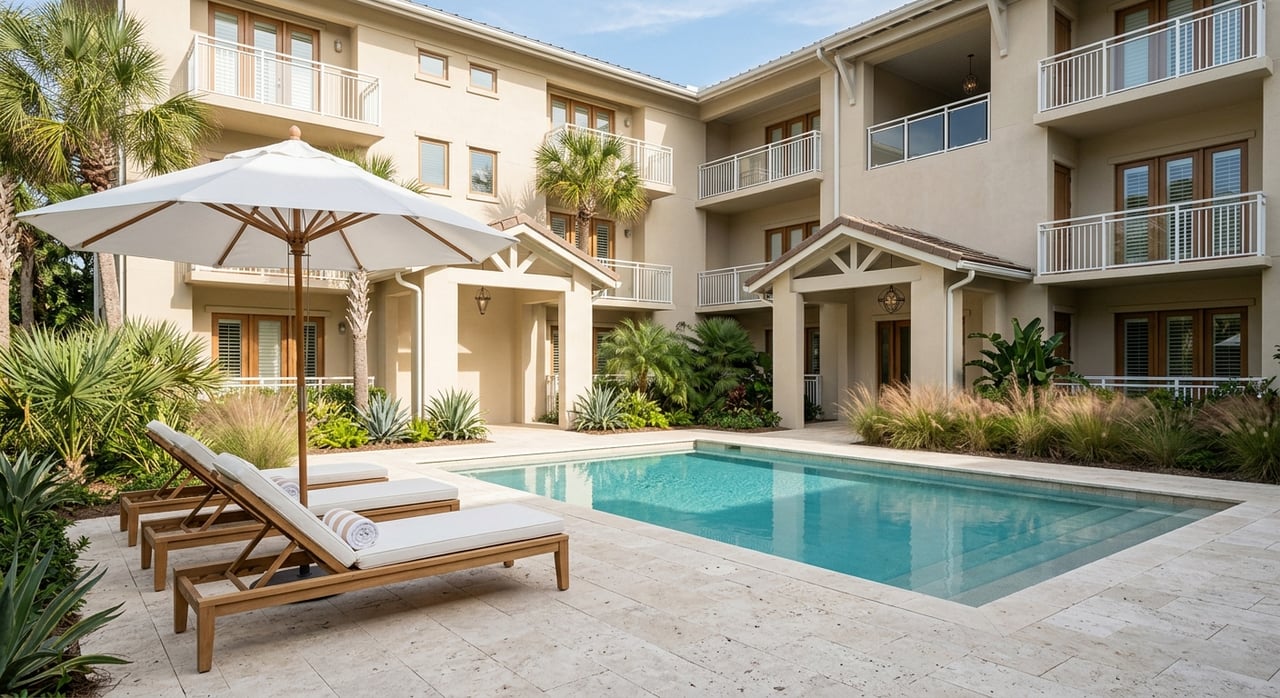
Market Common includes HOAs, condo associations, and mixed-use areas. Confirm what your association covers and what falls to you, such as shutter installation, common-area debris removal, or reentry procedures. Keep your HOA emergency contacts in your phone and printed in your go-bag. If you rent your unit, align on evacuation and insurance expectations with your tenants in advance.
Utilities and alerts to save
- Local alerts: Sign up for CodeRED or city alerts linked from the Myrtle Beach Chamber’s Hurricane Information Center.
- Power and water: Save your provider’s outage reporting number and online outage map from the Grand Strand utilities directory.
- Reentry and shelters: Monitor Horry County’s shelter guidance for openings and policies each storm.
Local flood risk snapshot
Even inland areas of Market Common can see street or yard flooding during heavy rain and storm surge events. Review your parcel in FEMA’s Flood Map Service Center and consult Horry County GIS flood layers for local context. Use this insight to decide on flood insurance, elevation of critical systems, and storage plans for vehicles and valuables.
You cannot control the forecast, but you can control your plan. Save this checklist, share it with your household, and update it each spring. If you want local perspective on property features that matter in storm season or you are planning a move around the weather window, connect with Mary Richards for guidance rooted in Market Common experience.
FAQs
What evacuation zone is Market Common in?
- Much of Market Common is inland and often falls in Zone C, but it varies by street. Confirm your exact address using SCEMD’s Know Your Zone map and follow zone-based orders.
Will Horry County open shelters for a Category 2 or stronger storm?
- County guidance notes in-county shelters may not operate for Category 2 or higher hurricanes. Plan to evacuate inland and identify alternate lodging before each season.
Do I need flood insurance if my Market Common home is not in a high-risk zone?
- Flooding can occur outside mapped high-risk areas. Consider coverage and remember new NFIP policies typically have a 30-day waiting period, so purchase early.
What is a named-storm deductible in South Carolina?
- Many policies include a separate percentage deductible for hurricanes or named storms. Review your policy and see the state’s disclosure rules on named-storm deductibles.
Who should I contact for power or water outages after a storm in Myrtle Beach?
- Identify your specific provider now and save their outage reporting number. The Grand Strand utilities directory lists local electric and water providers.
Is it safe to use a portable generator after a hurricane?
- Only operate generators outdoors, far from doors, windows, and vents, and use carbon monoxide detectors. Follow CPSC safety guidance and never run a generator in a garage.