Are you trying to decide between Market Common and Carolina Forest for your next move around Myrtle Beach? You are not alone. Both areas are popular for good reason, and each offers a different day-to-day experience. In this guide, you will see how lifestyle, housing, walkability, schools, ownership costs, and commutes compare so you can choose with confidence. Let’s dive in.
Quick snapshot: two great choices
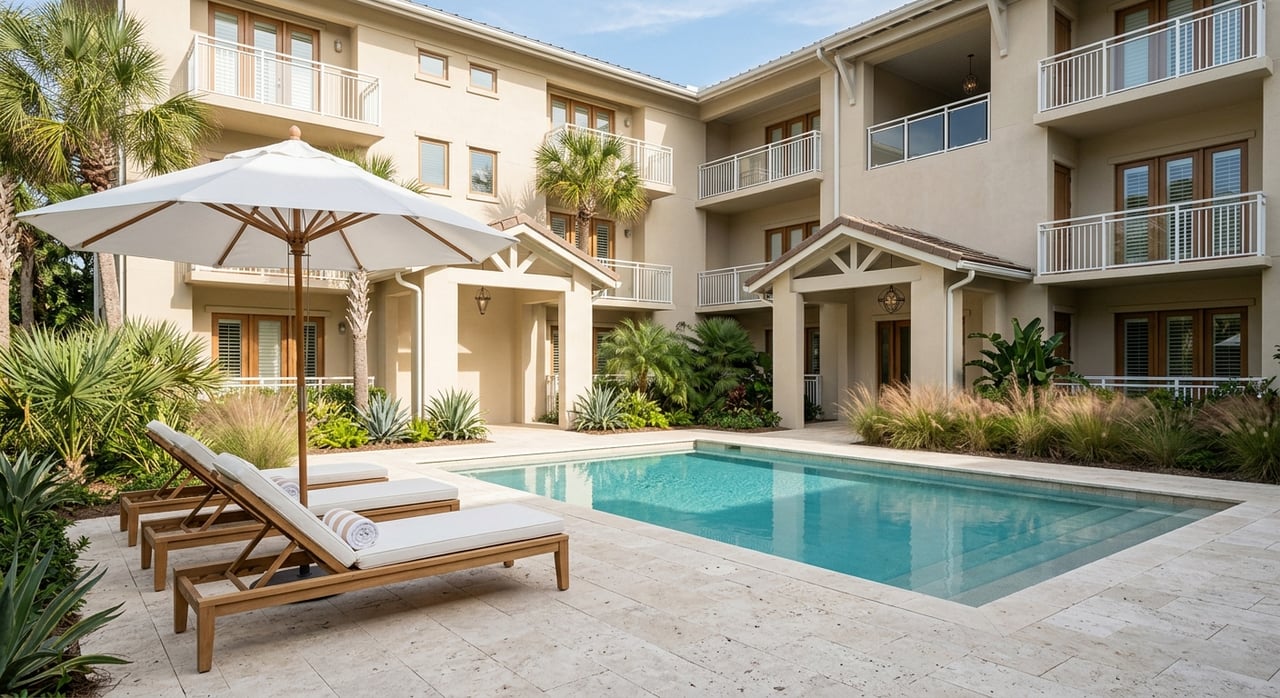
- Market Common: Walkable town-center vibe with shopping, dining, parks, and events in one district. A mix of condos, townhomes, and single-family options. Closer to the beach and airport.
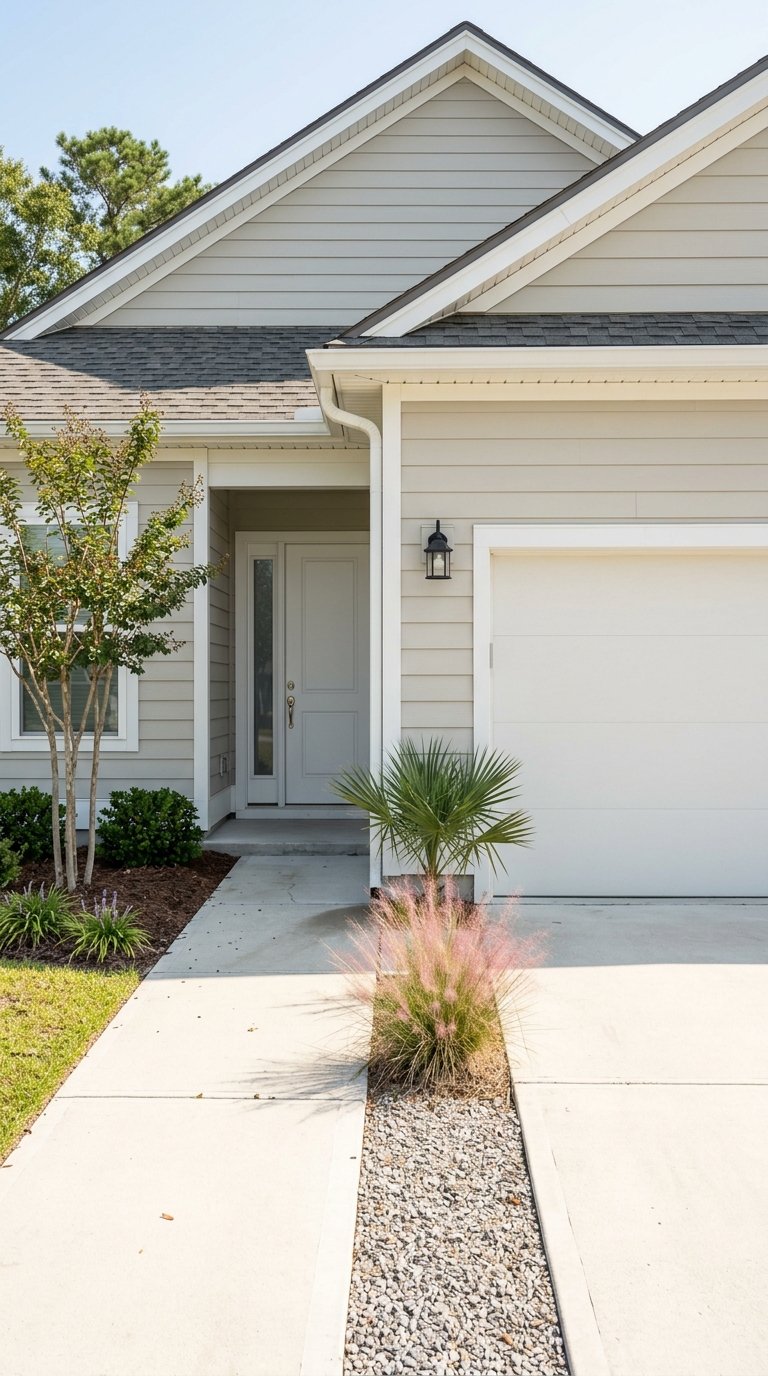
- Carolina Forest: Large master-planned suburban area with many neighborhoods and newer construction. Mostly single-family homes with more space and yards. Daily life is more car-oriented.
Lifestyle and community feel
Market Common energy
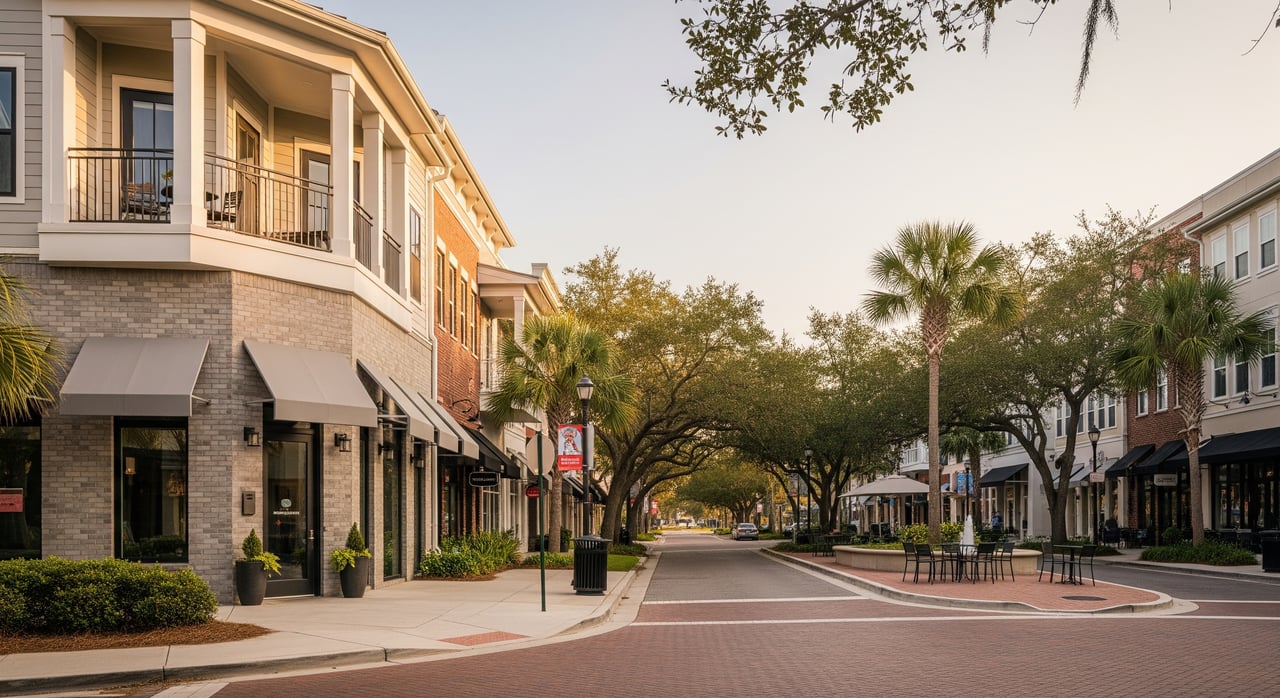
Market Common was redeveloped from the former Myrtle Beach Air Force Base into a mixed-use district with a true main-street feel. You can stroll to restaurants, shops, fitness studios, and parks without getting in the car. The area hosts year-round activities and events, which keeps the streets lively and convenient for your daily needs. Explore upcoming happenings and amenities on the Market Common official site.
Carolina Forest rhythm
Carolina Forest is a large suburban area with many distinct neighborhoods built from the 1990s through the 2020s. You will find a quieter residential feel, community pools in select subdivisions, and plenty of room for play in private yards. Retail is organized along major corridors, so you will drive to most errands. The variety of neighborhoods means you can target the amenities and HOA style that fit your family.
Home types and budget considerations
What you will see in Market Common
You will find condos, lofts, and multistory townhomes alongside single-family homes, many built during the 2000s redevelopment and later infill. Because of the walkable environment and location, Market Common often carries a higher price per square foot for similar product types. If you want less exterior maintenance and to live near dining and parks, this tradeoff can be worth it.
What you will see in Carolina Forest
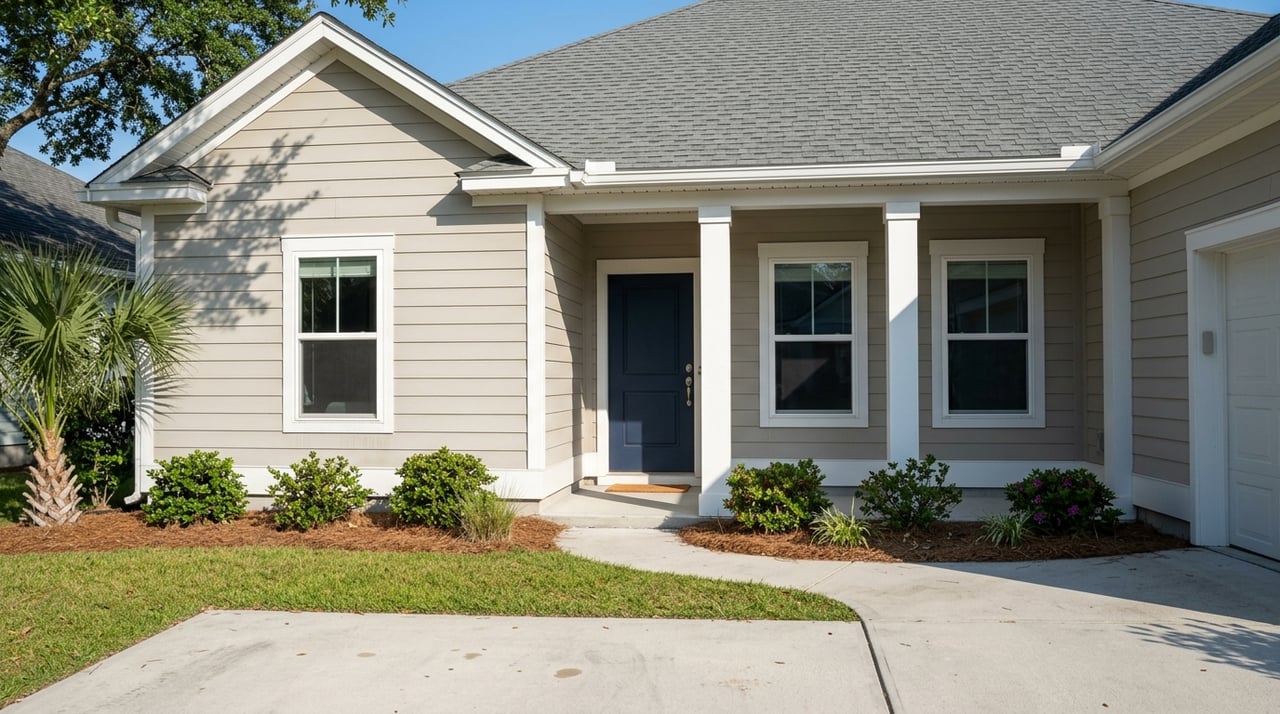
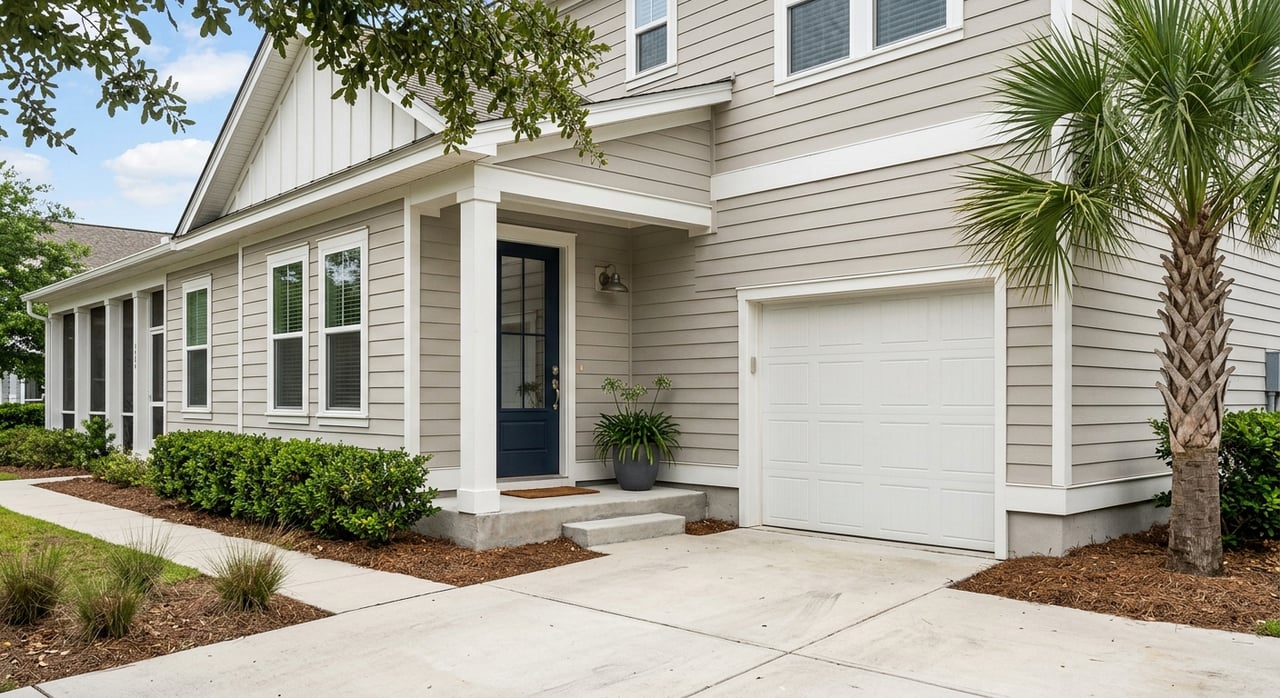
Carolina Forest is dominated by single-family homes, often with 3 to 5 bedrooms and larger lots. Many neighborhoods include modern community amenities, and new construction continues in parts of the area. You can usually get more interior space and yard for the same or lower purchase price compared with a similar purchase in Market Common. If square footage and bedrooms matter most, Carolina Forest often delivers more for the budget.
Walkability and daily errands
Market Common on foot
Market Common was designed for walking, with sidewalks, connected streets, and shopping clustered in the district core. Many residents here complete daily errands without a car, especially if they live within the central blocks. Planning tools like Walk Score typically rank this area among the most walkable in the region.
Carolina Forest by car
Carolina Forest is more auto-oriented, with separate residential areas and retail nodes along main roads. Some neighborhoods add sidewalks and trails, and you will find pockets that work for short walks or bike rides. Overall, plan to use a car for most errands and commutes here.
Amenities and recreation
- Market Common: Central parks, active public events, restaurants and shopping, fitness studios, and easy access to the beach and Myrtle Beach International Airport. The district’s curated mix makes weekend planning simple.
- Carolina Forest: Neighborhood parks, community pools in select subdivisions, and larger green spaces in some master-planned areas. Retail corridors offer grocery, big-box options, and family dining. You will have more private yard space for backyard games and get-togethers.
Commute and transportation
- Proximity: Market Common sits closer to central Myrtle Beach, the beachfront, and the airport. Carolina Forest is inland to the west and southwest, so trips to the beach are longer.
- Transit and alternatives: Regional bus service exists, but frequency is limited compared with larger urban areas. Biking or walking for short trips is more realistic in Market Common. Carolina Forest commutes are primarily by car.
- Seasonal traffic: Market Common may see seasonal visitor traffic near the beach and shopping areas. Carolina Forest can experience congestion along major corridors during peak hours and school times.
Ownership costs to plan for
Property taxes
Horry County sets property taxes based on assessed values and millage rates, which can change annually. Review current rates and any exemptions through the Horry County Assessor and GIS before you buy. This will help you compare homes across neighborhoods with the same set of facts.
HOA and community fees
- Market Common: Expect a district-level association that maintains shared streetscape and events. Condos and townhomes typically include HOA fees for building insurance, exterior maintenance, and reserves.
- Carolina Forest: HOA fees vary widely by subdivision. Some neighborhoods have modest dues for common areas, while amenity-rich communities can be higher. A few pockets have no HOA. Ask for the current budget, reserves, and any pending assessments.
Insurance and flood risk
This is a coastal region with wind and storm exposure. Flood risk varies by parcel in both Market Common and Carolina Forest. Always check the FEMA Flood Map Service Center for the specific address and obtain quotes for homeowners, wind and hail coverage, and flood insurance where required. Lenders typically require flood insurance for properties located in a Special Flood Hazard Area.
Utilities and maintenance
Utility providers and costs differ by neighborhood. Newer developments in Carolina Forest may have newer infrastructure, while Market Common properties can include district services and connection fees. Ask sellers or the relevant municipal utility for current rates and typical monthly bills.
Schools and boundaries
Both communities are served by Horry County Schools. Carolina Forest includes several newer school campuses due to recent growth, while Market Common is served by schools closer to the Myrtle Beach core. School boundaries change over time, so confirm your address’s assignment using the Horry County Schools website, and contact the district for the most accurate enrollment information.
Which buyers each area tends to fit
- Market Common may fit you if you want a walkable lifestyle, on-site dining and shopping, and easy access to events and the beach. You may prefer a condo or townhome with less exterior maintenance and accept a higher price per square foot for convenience.
- Carolina Forest may fit you if you need a larger home, extra bedrooms, and a yard for children or pets. You expect to drive for most errands and value a lower cost per square foot in newer construction neighborhoods.
Decision checklist
Use this checklist to clarify your priorities before touring homes:
- Lifestyle: Do you want walkable dining and weekend events, or more private backyard space?
- Budget: Are you comparing total budget or price per square foot for a target size and features?
- Commute: Where will you work, and which location shortens daily drives?
- Schools: Which school boundaries and programs align with your needs? Verify with Horry County Schools.
- Insurance and flood: Is the parcel in a mapped flood zone? Check the FEMA Flood Map Service Center and get quotes early.
- HOA comfort: Are you comfortable with association rules, fees, and maintenance responsibilities for condos, townhomes, or amenity-rich subdivisions?
- Resale: Which location will appeal to the likely buyer pool when you sell in the future?
How Mary helps you compare in real life
Choosing between Market Common and Carolina Forest comes down to how you want to live day to day. You may love the energy and walkability of Market Common, or you may want the space and neighborhood amenities that come with Carolina Forest. The best way to decide is to tour a few streets in each area, feel the drive times, and map out your daily routine.
If you want a guided, side-by-side comparison with current listings, HOA details, and parcel-level flood and tax checks, connect with Mary Richards. Mary will tailor a plan to your budget and lifestyle, walk you through neighborhood options, and help you move forward with clarity.
Helpful resources
- Market Common events and amenities: Market Common official site
- Walkability snapshots: Walk Score
- Taxes and parcel research: Horry County Assessor and GIS
- School boundaries and enrollment info: Horry County Schools
- Flood maps and insurance guidance: FEMA Flood Map Service Center
FAQs
Is Market Common walkable for daily errands?
- Yes. Market Common was planned as a mixed-use district with connected sidewalks, retail, dining, and parks, which supports completing many errands on foot.
Does Carolina Forest have walkable pockets?
- Some neighborhoods offer sidewalks and nearby shopping, but the area overall is suburban and car-oriented, so most trips are by car.
Which area typically offers more space for the price?
- Carolina Forest generally provides larger homes and yards at a lower cost per square foot compared with Market Common, which commands a premium for location and walkability.
How do I confirm school assignments for a specific address?
- Use the Horry County Schools website to review boundary information and contact the district for the most up-to-date assignments.
What should I know about HOAs in these areas?
- Market Common includes a district association, and many condos or townhomes have HOA dues; Carolina Forest HOA fees vary by subdivision, from modest to amenity-rich plans, so review documents carefully.
How can I check flood risk for a property in either area?
- Look up the address on the FEMA Flood Map Service Center and request insurance quotes early to understand potential requirements and costs.