If you are trying to choose between a brand-new home and a resale property in Market Common, you are not just comparing square footage and finishes. You are also deciding how you want to live in one of Myrtle Beach’s most distinctive walkable districts. The right fit depends on your budget, your timeline, and how much maintenance or uncertainty you want to take on. Let’s break down what really matters.
Why Market Common Feels Different
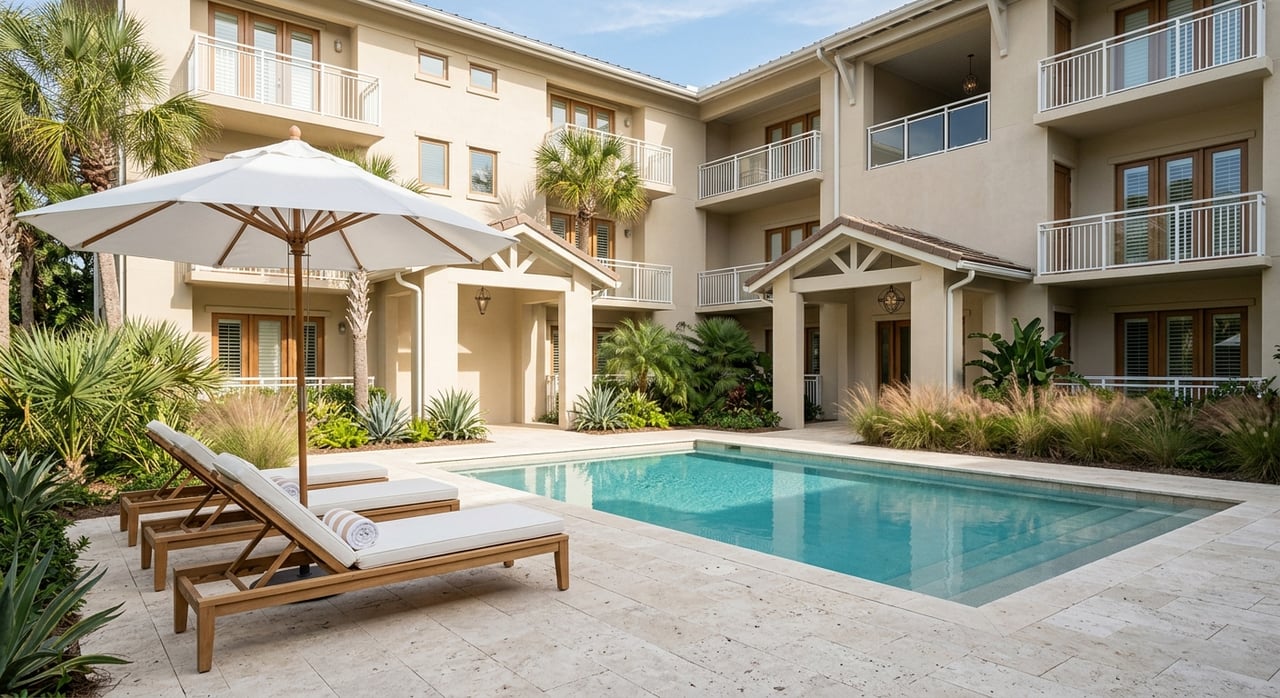
Market Common is not a typical neighborhood. It is a 114-acre mixed-use district in Myrtle Beach with homes, restaurants, retail, entertainment, parks, lakes, and a public square, all in a pedestrian-friendly setting.
The area opened in 2008 after the redevelopment of the former Myrtle Beach Air Force Base, and that history still shapes the community today. You can see that sense of place in features like Warbird Park, landscaped walkways, gathering spaces, and year-round activity.
For you as a buyer, that means location within Market Common can matter just as much as whether a home is new or previously owned. A home closer to the district core, parks, or daily amenities may offer a very different lifestyle from one farther out.
New Construction in Market Common
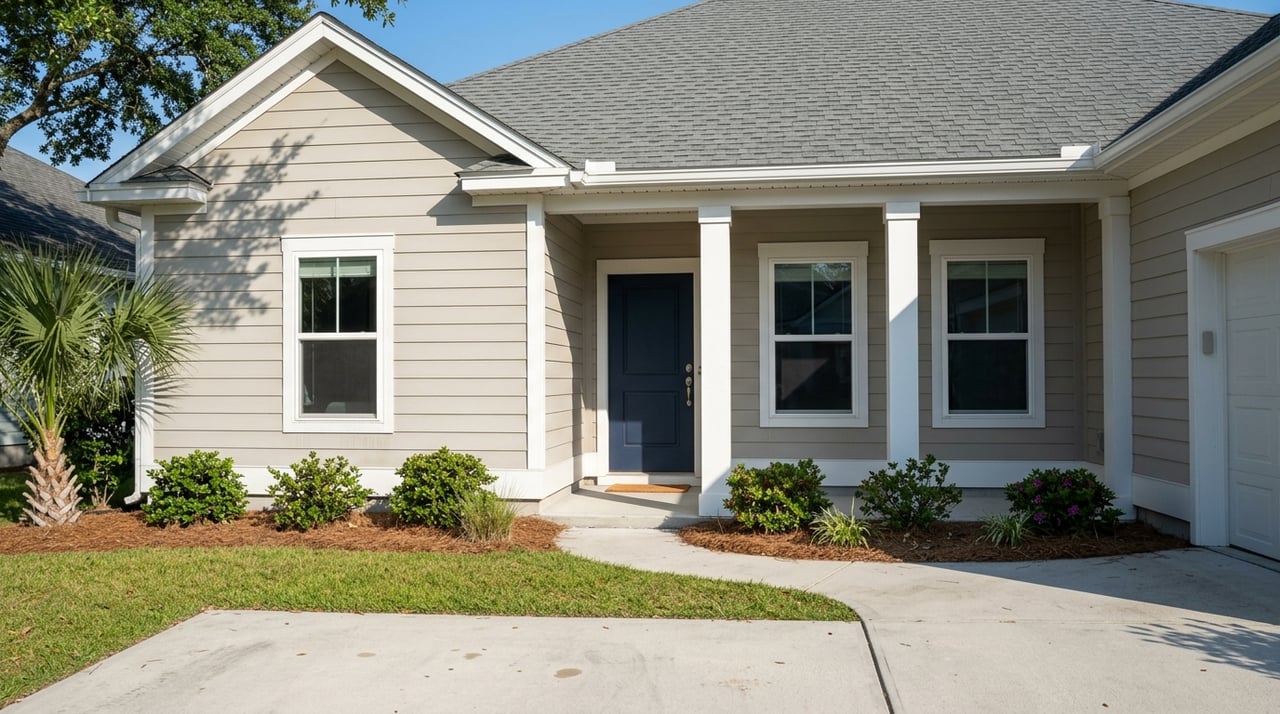
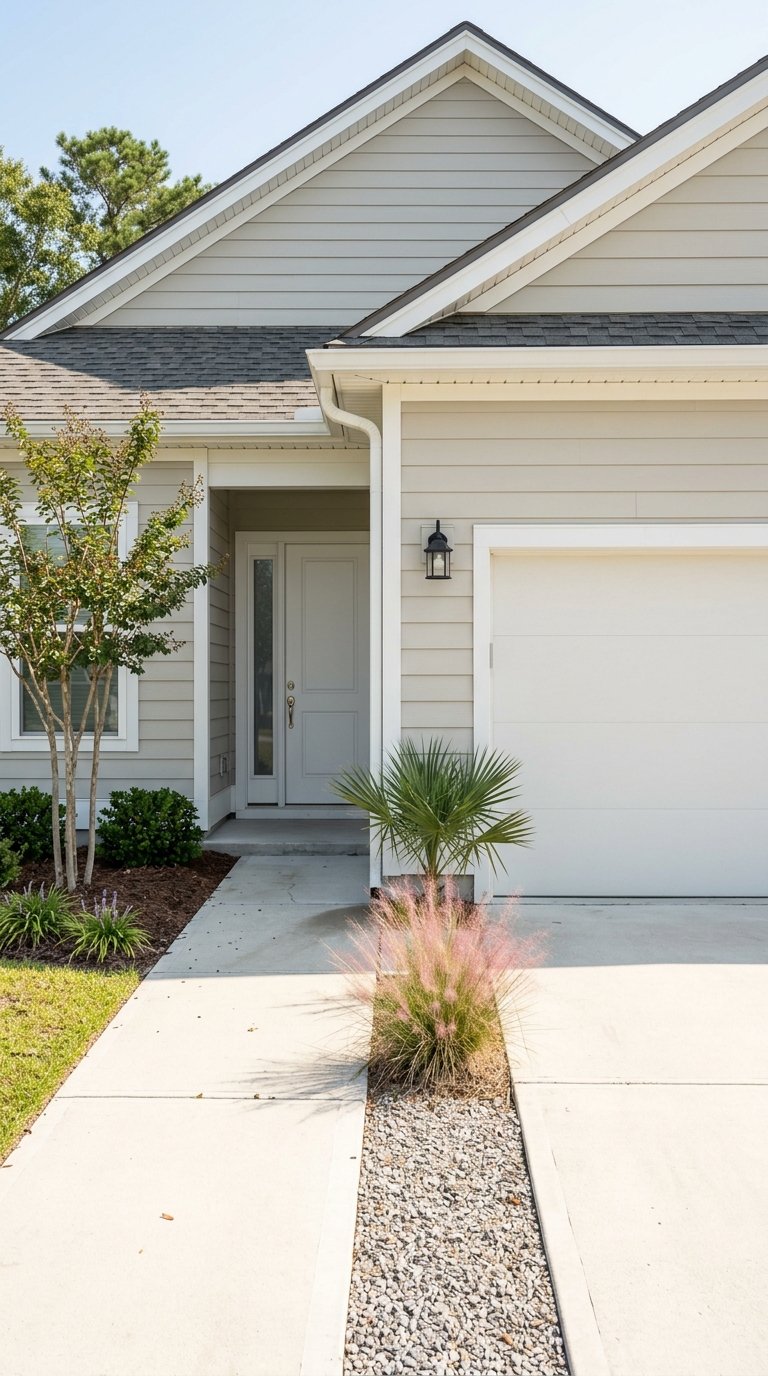
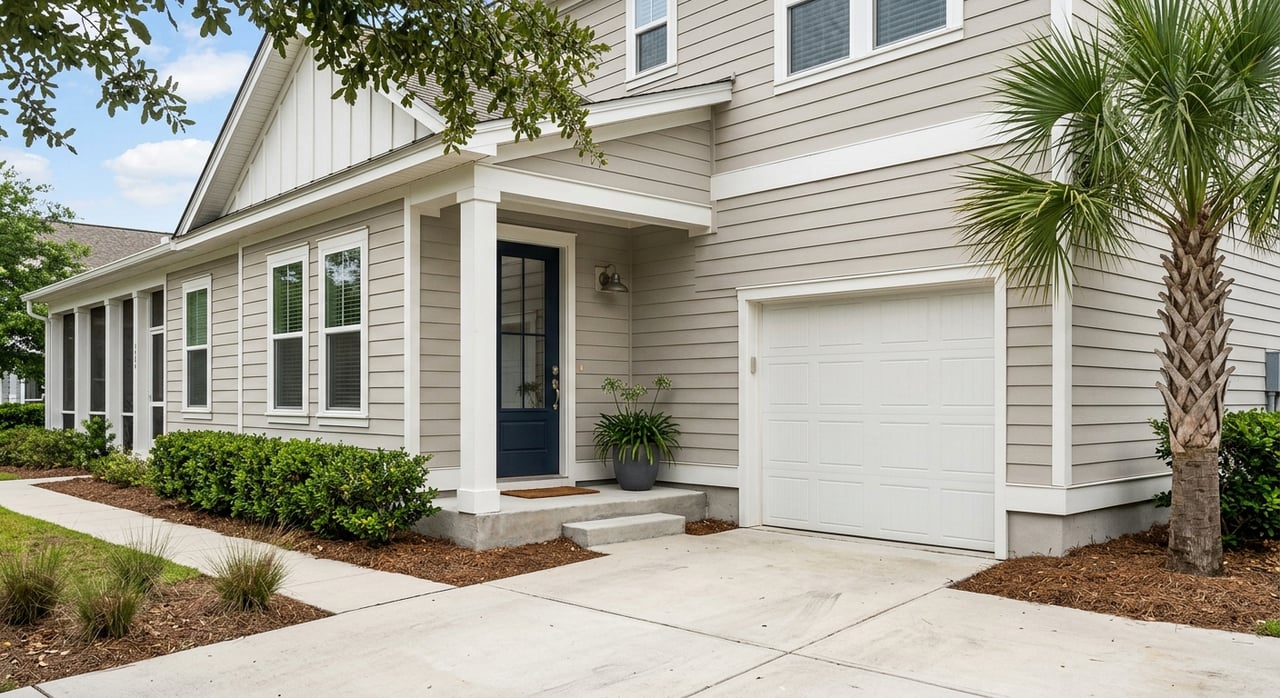
If you want a home with current finishes, modern layouts, and less immediate maintenance, new construction may be the better match. Current inventory in the area includes 2- to 3-bedroom townhomes and 3- to 4-bedroom single-family homes, with examples ranging from about $375,000 to more than $1,050,000 depending on the floor plan, lot, and location.
That price spread is important. It shows that “new construction” in Market Common is not one single price point. Your total cost can vary significantly based on how much space you want and where the home sits within the district.
What New Construction Often Buys You
A newer home can give you predictable condition from day one. You may also get design features that many buyers want today, such as open layouts, updated kitchens, front porches, and cohesive architectural styling.
Another major advantage is warranty coverage. Builder warranties generally cover workmanship and materials on many components for one year, HVAC, plumbing, and electrical systems for two years, and major structural defects for up to 10 years.
That does not mean every item is covered the same way, so it is smart to read the builder warranty carefully. Still, for many buyers, that extra layer of protection is one of the biggest reasons to choose new construction.
What to Watch With a New Build
New construction can feel simpler, but it still requires due diligence. In South Carolina, residential builders must hold a current state license or registration for qualifying residential building activity, so verifying a builder’s license is a practical step before you sign anything.
Timing also matters. If the home is not finished yet, a builder may ask for an upfront deposit, and your closing date could depend on construction progress.
Financing deserves attention too. Even if a builder has a preferred lender, you can still shop for your own mortgage. It is also wise to ask for a financing contingency and a satisfactory inspection contingency when possible.
Resale Homes in Market Common
If you prefer to see the exact home before making a decision, a resale property may make more sense. With an existing home, what you tour is what you are buying, and that can bring more clarity around layout, natural light, lot placement, and overall condition.
Resale can also offer more flexibility in a broader market that has shown buyer-friendly conditions. For ZIP code 29577, which includes Market Common, April 2026 market data showed about 1,400 homes for sale, a median listing price of $219,900, a median sold price of $245,000, and a sale-to-list ratio of about 96%.
That broader ZIP code data does not mean Market Common homes will price the same way. Homes within the district can still command a premium, but the wider market backdrop helps explain why resale opportunities may feel more negotiable than brand-new inventory.
What Resale Often Buys You
The biggest advantage of resale is certainty. You can inspect the exact property, assess wear and tear, and better understand what updates or repairs may be needed right away.
That can create room for negotiation. If an inspection reveals issues, you may be able to negotiate repairs, credits, or a price adjustment before closing.
For buyers who value leverage, this is a real benefit. Instead of choosing from plans or quick move-in inventory, you are evaluating a home that already exists and making decisions based on what you can see.
What to Watch With a Resale Home
The tradeoff is that resale homes may come with more maintenance risk. Even if a home looks move-in ready, systems and components may be older than what you would get in a new build.
Warranty expectations are also different. A builder warranty is tied to new construction, while a home warranty on a resale property is usually a separate service contract that often costs extra and does not cover the same items in the same way.
That is why inspections matter so much. A satisfactory inspection contingency and financing contingency can give you room to evaluate the home carefully before you fully commit.
Price Is Only Part of the Decision
It is tempting to compare new construction and resale based on price alone, but that only tells part of the story. New construction in Market Common currently starts well above the broader 29577 median, but that premium may include newer finishes, planned layouts, and builder warranty coverage.
A resale home may offer a lower entry point or more room to negotiate. On the other hand, you may need to budget for repairs, updates, and possibly an optional home warranty.
The better question is this: what does your monthly and long-term cost look like after closing? Sometimes the lower purchase price of a resale home is offset by near-term maintenance, while sometimes a higher-priced new home gives you fewer surprises early on.
Lifestyle Matters in Market Common
In Market Common, lifestyle is a major part of the equation. The district is known for its walkable urban-village feel, with restaurants, events, movies, parks, playgrounds, fountains, benches, and public gathering spaces.
Because of that, many buyers care less about whether a home is brand new and more about where it sits within the district. A property near the center of activity may appeal to you if you want easy access to dining and daily outings, while another location may feel quieter and more residential.
This is where a side-by-side comparison becomes especially helpful. Two homes with similar size can offer very different day-to-day experiences depending on their micro-location within Market Common.
Budget for Taxes and Insurance Early
No matter which route you choose, it is smart to build a realistic budget before you make an offer. In Horry County, owner-occupied residential property is assessed at 4% of fair market value, and the final property tax bill can include county millage and other taxing entities.
Insurance should also be part of your early planning, especially in a coastal market. Getting an informal insurance estimate before you commit can help you avoid surprises when you calculate your true monthly payment.
This step matters whether you are looking at a new build or a resale home. A home that feels affordable on the listing sheet may look different once taxes and insurance are added in.
How to Decide Which Option Fits You
If you want newer design, lower immediate maintenance, and warranty coverage, new construction may be the stronger fit. It can be especially appealing if you like the idea of a planned home inside a walkable district with a polished, cohesive feel.
If you want an existing home you can inspect in person and possibly negotiate more aggressively, resale may be the better choice. This path can give you more clarity on the exact property and may offer more flexibility depending on condition and seller motivation.
In the end, the best option usually comes down to three things:
- Budget
- Timing
- Comfort with maintenance and repairs
If you are comparing homes in Market Common, it helps to evaluate not just the sticker price, but also warranty coverage, inspection results, builder terms, property taxes, insurance, and location within the district.
A local comparison can make that process much easier. If you want help weighing builder inventory against resale opportunities in Market Common, connect with Mary Richards for knowledgeable, hands-on guidance tailored to your goals.
FAQs
What is the difference between new construction and resale homes in Market Common?
- New construction typically offers newer finishes, planned layouts, and builder warranty coverage, while resale homes let you evaluate the exact property and may offer more room to negotiate on price, repairs, or credits.
How much do new construction homes in Market Common cost?
- Current examples in Market Common range from about $375,000 for a 2-bedroom townhome to more than $1,050,000 for larger single-family homes, depending on floor plan, lot, and location.
Do South Carolina buyers need to verify a builder’s license?
- Yes. South Carolina requires residential builders to hold a current license or registration for qualifying residential building activity, so license verification is an important due-diligence step.
What should buyers know about warranties for Market Common homes?
- New homes often include a builder warranty that may cover workmanship and materials for one year, major systems for two years, and structural defects for up to 10 years, while resale home warranties are usually separate service contracts that often cost extra.
Are resale homes in the Market Common area more negotiable?
- They can be. Broader April 2026 data for ZIP code 29577 showed buyer-friendly conditions, including about a 96% sale-to-list ratio, which helps explain why resale homes may feel more negotiable than brand-new inventory.
How do property taxes work for owner-occupied homes in Horry County?
- Horry County says owner-occupied residential property is assessed at 4% of fair market value, and your tax bill may also reflect county millage and other taxing entities.
Why does location within Market Common matter so much?
- Market Common is a walkable mixed-use district with parks, restaurants, events, and public spaces, so a home’s location within the district can affect your daily lifestyle just as much as whether the home is new or resale.