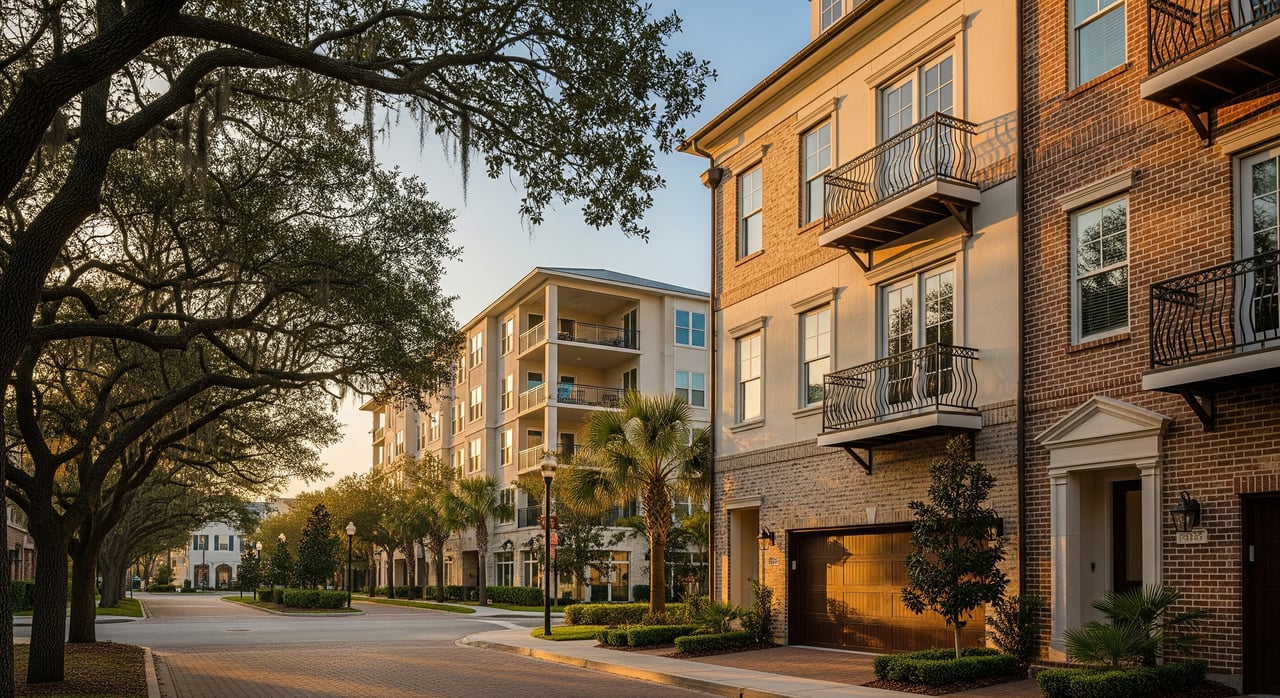
Thinking about buying a condo or townhome in Market Common and renting it long term, but not sure which way to go? You are not alone. Out‑of‑area owners and first‑time investors often weigh the same tradeoffs around HOA rules, maintenance, insurance, and rentability. In this guide, you will learn how each option performs in Market Common, what to check in the HOA documents, how to model the numbers, and the steps to take before you buy. Let’s dive in.
Why Market Common attracts long‑term renters
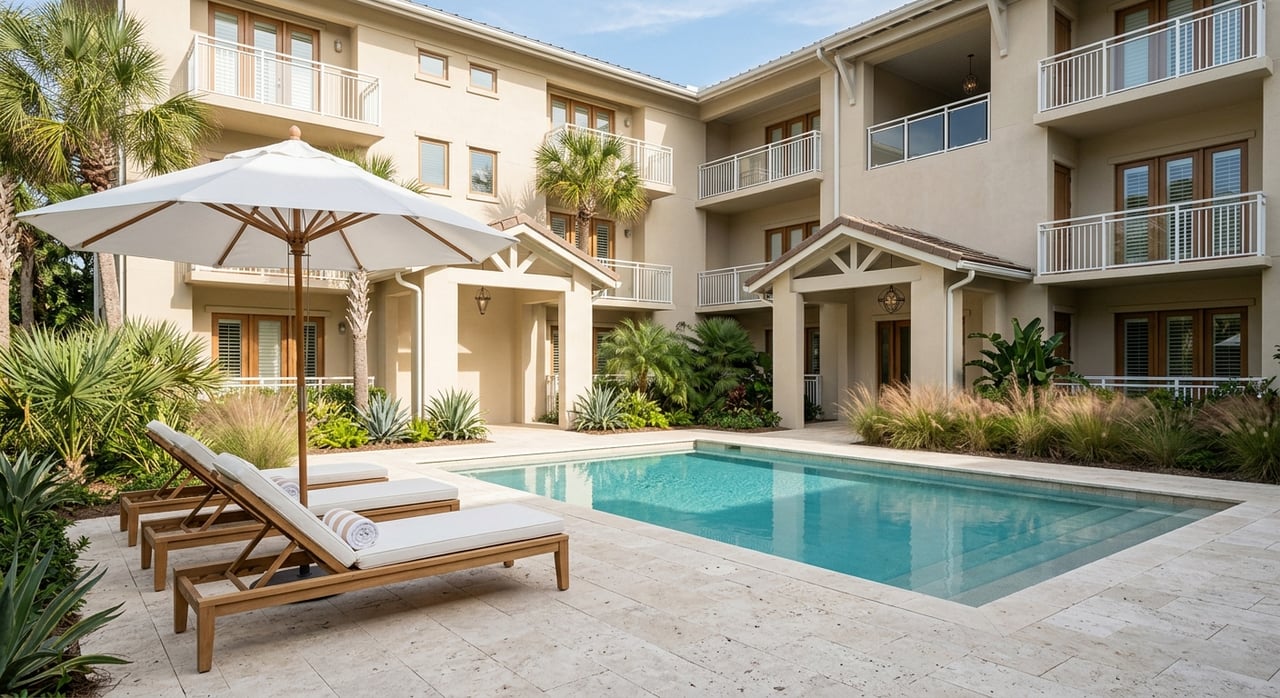
Market Common is a planned, walkable neighborhood with shops, restaurants, parks, and community events. The convenience and lifestyle help you attract professionals, retirees, and small families seeking longer leases. You can explore amenities and layout on the Market Common official site.
The broader Myrtle Beach economy is supported by tourism, healthcare, retail, education, and hospitality. Those sectors support steady rental demand across Horry County. For a quick snapshot of renter share, vacancy, and median gross rent trends, review the U.S. Census QuickFacts. Expect some seasonal movement in spring and summer, but long‑term rental demand is steadier than short‑term vacation demand.
Condo vs townhome at a glance
A quick comparison can help you focus your search.
| Factor | Condo | Townhome |
|---|---|---|
| Rental rules | Often stricter HOA rental rules and possible leasing caps | Rules vary, sometimes more flexible, still HOA‑dependent |
| Maintenance | HOA handles exterior and common areas; you handle interiors | You may be responsible for roof, exterior, and yard depending on plat |
| HOA fees | Often higher to fund master insurance and exterior care | Varies; can be lower, but you carry more maintenance risk |
| Insurance | HO‑6 or landlord “walls‑in” policy | Broader landlord policy (often DP‑3) for building and liability |
| Tenant appeal | Easy living and amenities; common for singles, couples, retirees | More space, garages, or yards can appeal to small families |
Bottom line: condos may be easier for absentee owners but can face tighter rental rules and higher HOA dues. Townhomes can command strong demand from tenants who want more space, but you will likely carry more maintenance and insurance responsibility. Your decision should be driven by the exact HOA documents for the building or community you choose.
HOA rules that shape rentability
HOA covenants directly determine whether you can rent, how quickly, and with what costs. Always get the full HOA resale package before you make an offer. At minimum, review these items:
- Rental allowance: Are rentals allowed and is there a cap on the share of units that can be leased at once?
- Minimum lease term: Are leases under 90, 180, 6 months, or 12 months prohibited?
- Owner‑occupancy requirements: Must you live in the unit before renting?
- Approval and registration: Are tenant applications, background checks, board approvals, or wait periods required?
- Subletting and short‑term language: Even if you plan 12‑month leases, confirm how the HOA defines and restricts short‑term rentals.
- Parking and amenities: How are spaces assigned, and what access do tenants have to pools or gyms?
- Fines and enforcement: How are violations handled and what are the penalties?
How this often differs:
- Condos: More likely to have a master association and stricter rental policies to maintain owner occupancy.
- Townhomes: May be fee‑simple with smaller HOAs and different enforcement, but rules still vary widely.
If you want a deeper understanding of healthy association practices and documents, review general guidance from the Community Associations Institute or ask for the HOA’s reserve study and board minutes for the last 6 to 12 months. Always confirm HOA rental rules in writing before you buy.
Maintenance, reserves, and insurance costs
Who pays for what can shift a deal from cash‑flow positive to negative.
- Condos: The HOA typically handles exterior, roofs, landscaping, and common areas. You handle the interior. Monthly dues cover much of that exterior work, which can reduce your surprise repairs but raise fixed expenses.
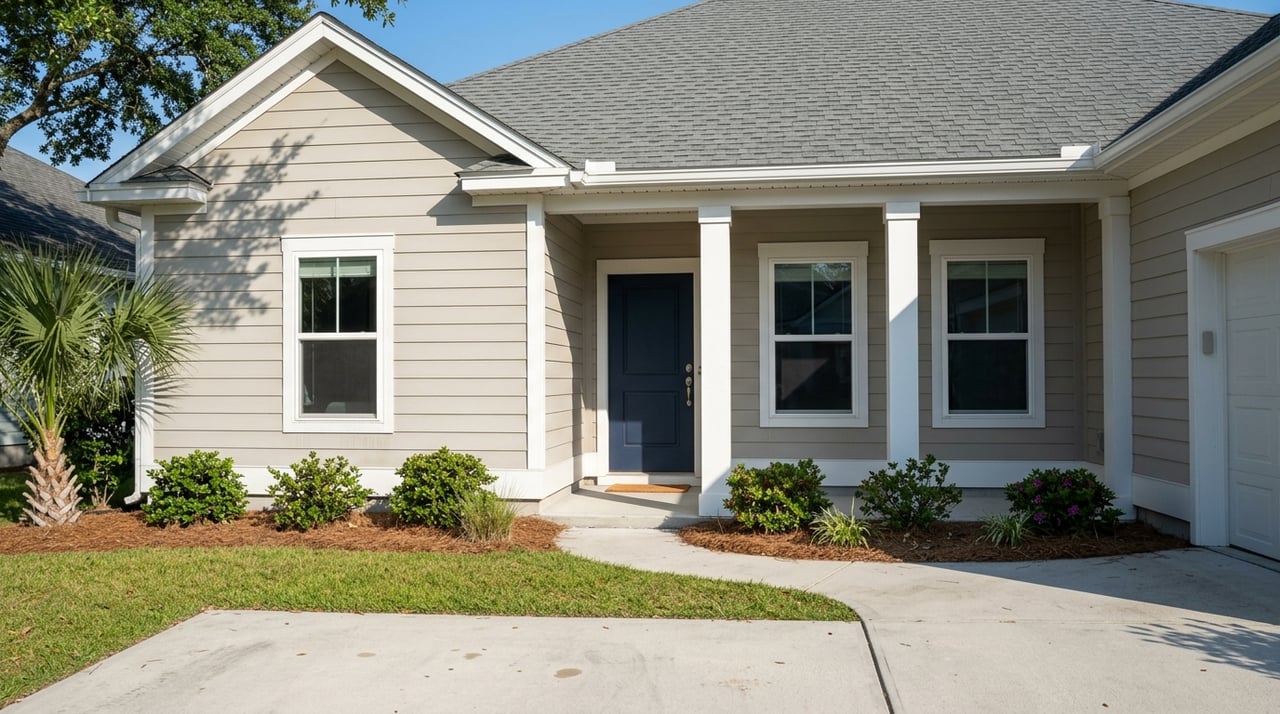
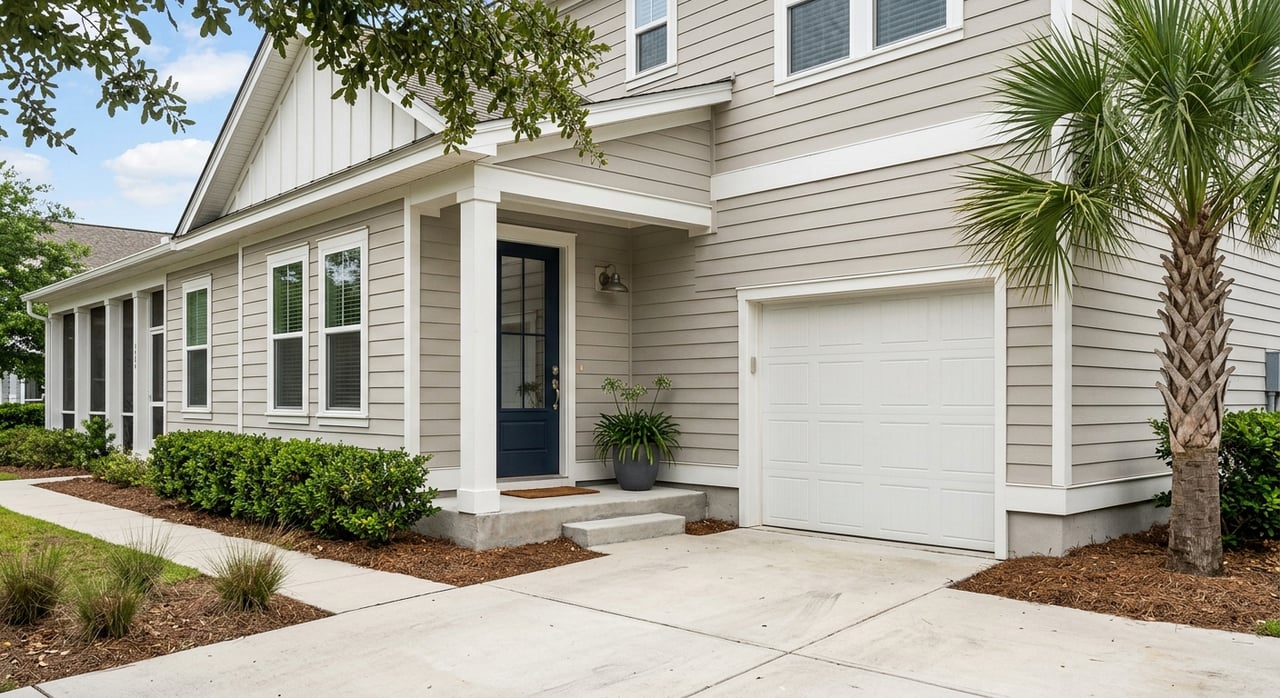
- Townhomes: You may be responsible for roof, exterior walls, and yards, depending on the plat. This adds variability to your maintenance budget.
What to look for in HOA finances:
- Current budget vs. prior actuals and whether there are deficits.
- Date and completeness of the reserve study.
- Any pending or recent special assessments.
- Delinquency rate among owners.
Insurance basics to verify:
- Condos: An HO‑6 or landlord “walls‑in” policy that includes interior coverage, liability, loss of rents, and loss‑assessment coverage.
- Townhomes: A broader landlord policy, often a DP‑3, because you own the structure.
For insurance concepts and options, the Insurance Information Institute offers clear explanations. Also confirm the HOA’s master policy limits and deductibles, and whether damage assessments could be passed to owners.
Reserve planning tips:
- Keep 3 to 6 months of operating expenses on hand for contingencies.
- Budget 5 to 10 percent of gross rent annually for maintenance. Use the higher end for older townhomes.
- Stress‑test your model for a 10 to 30 percent HOA dues increase or a one‑time assessment.
Rentability drivers in Market Common
What helps a unit rent faster and for more money in this neighborhood?
- Location within the community: Proximity to retail, parks, and parking.
- Smart layouts and conveniences: In‑unit laundry, storage, and functional kitchens.
- Condition and efficiency: Updated finishes, newer HVAC, and durable flooring.
- Parking and garage: Assigned spaces or a garage are strong positives.
- Pet policy: Pet‑friendly units often lease faster. Confirm HOA pet rules.
- Lease terms: Twelve months is the most common and reduces turnover.
Marketing and operations:
- Use professional photos and highlight walkability and neighborhood events.
- Price competitively with a 3‑source comp review. Verify via MLS and two rental listing platforms.
- If you are out of area, consider professional management. Include management fees in your model.
Simple numbers: run the model
Use these core formulas to compare a condo and a townhome on equal footing.
- Annual Gross Rent = Monthly Rent × 12
- Effective Gross Income = Annual Gross Rent × (1 − Vacancy Rate)
- Operating Expenses = HOA Dues + Property Taxes + Insurance + Management Fee + Maintenance Reserve + Owner‑paid Utilities + Miscellaneous
- Net Operating Income (NOI) = Effective Gross Income − Operating Expenses
- Cap Rate = NOI ÷ Purchase Price
- Debt Service (annual) = Monthly Mortgage Payment × 12
- Cash‑on‑Cash Return = (NOI − Debt Service) ÷ Cash Invested
- Break‑even Rent = (Operating Expenses + Debt Service) ÷ [12 × (1 − Management Fee % if withheld)]
Sample scenario (illustrative):
- 2‑bedroom condo at $1,400 monthly rent.
- HOA dues: $400 per month.
- Vacancy: 7 percent.
- Professional management: 10 percent of collected rent.
- Maintenance reserve: 7 percent of gross rent.
What this shows: HOA dues are a major fixed cost. Small changes in dues or vacancy can swing your cash flow. Try these stress tests to see sensitivity:
- HOA dues rise by 20 percent: Model the impact on NOI and cap rate.
- Vacancy increases from 7 percent to 12 percent: Re‑run cash‑on‑cash return.
- One‑time special assessment of $5,000 in year one: See how it affects your annual cash flow.
Repeat this with a townhome version that includes a higher insurance quote and a slightly higher maintenance reserve. Compare the after‑expense, after‑vacancy cash flow side by side.
Due diligence before you buy
Collect documents and confirm the rules, costs, and risks early. Here is a checklist to streamline your process.
Key documents to obtain:
- HOA covenants, bylaws, rules, and recent amendments.
- HOA budget, balance sheet, and minutes from the last 6 to 12 board meetings.
- Most recent reserve study and list of planned capital projects.
- Proof of current HOA master insurance including limits and deductibles.
- HOA rental policy and any tenant approval forms.
- HOA delinquency report and disclosure of any special assessments.
- Current lease and rental history if the unit is tenant‑occupied.
- Property inspection report and repair history.
- Parcel tax records and current assessed value.
- Utility responsibility list: what you pay vs what the tenant pays.
Local compliance and resources:
- Review City of Myrtle Beach business license requirements for rental licensing and any local ordinances.
- Check parcel data and tax information with Horry County government.
- For landlord‑tenant statutes, consult the South Carolina Legislature site.
- For Fair Housing guidance, review resources on HUD.gov.
Operational checks:
- Verify rental comps with the local MLS and two rental listing platforms.
- Confirm parking, storage, and pet rules with the HOA.
- Get insurance quotes for both an HO‑6 condo policy and a DP‑3 landlord policy for a townhome.
- Ask local property managers about typical expense ratios and tenant profiles in Market Common.
Who should pick which?
Choose a condo if you want simpler exterior upkeep and you are comfortable with potentially stricter rental rules and higher monthly dues. Choose a townhome if you want more control over the property, accept higher maintenance responsibility, and want to appeal to tenants who value space or a garage.
Either way, let the numbers and documents guide you. Start with the HOA rental rules, verify association financial health, build a full expense model including HOA, insurance, taxes, management, and reserves, then stress‑test for vacancy and assessments. Pair that with reliable comps and you will see which option fits your goals.
Next steps
If you want a quick read on whether a specific community in Market Common fits long‑term rentals, request the HOA rental policy and reserve study up front. Then build a simple model for both condo and townhome options and compare after‑expense cash flow. If you are out of the area, line up property management and request quotes early.
When you are ready to explore Market Common inventory, connect with a local advisor who knows the buildings, the HOA landscapes, and the rental demand drivers. Mary Richards and her team can help you source options, request and interpret HOA documents, and run side‑by‑side financials so you can invest with confidence. Ready to talk through your plan? Reach out to Unknown Company and take the next step.
FAQs
What makes Market Common strong for long‑term rentals in Myrtle Beach?
- Walkable amenities, lifestyle appeal, and proximity to jobs create steady demand, which you can preview on the Market Common official site.
How do HOA rental caps affect a Market Common condo purchase?
- A leasing cap can delay your ability to rent if the building is at its rental limit, so you should confirm caps and waitlists in the HOA documents before you buy.
What insurance do I need for a townhome used as a rental in Horry County?
- You typically need a landlord policy such as a DP‑3 for building and liability coverage, while condos usually pair with an HO‑6; see the Insurance Information Institute for basics.
Do I need a business license to rent long term in Myrtle Beach?
- The city requires business licensing for many activities, so confirm current rules with the City of Myrtle Beach before you list your unit.
How can I estimate cash‑on‑cash return on a Market Common rental?
- Use Cash‑on‑Cash Return = (NOI − Debt Service) ÷ Cash Invested, with realistic inputs for HOA dues, insurance, taxes, vacancy, management, and maintenance reserves.