Trying to choose between a condo and a house for your North Myrtle Beach second home? It is a smart question, because this choice shapes far more than your weekend plans. Your decision affects maintenance, rental options, insurance, taxes, and how much flexibility you have once you own the property. If you want a clearer way to compare the two, you are in the right place. Let’s dive in.
Why this choice matters in North Myrtle Beach
In North Myrtle Beach, choosing a condo versus a single-family home is not just about size or style. It is also about flood exposure, storm planning, association rules, and the real cost of owning a coastal property.
The City of North Myrtle Beach notes that the area is subject to flooding from the Atlantic Ocean, the Intracoastal Waterway, and inland waterways. FEMA’s Flood Map Service Center is the official source for flood maps and flood-zone determinations, which makes address-level review especially important before you buy.
Condo ownership: simpler upkeep, more shared rules
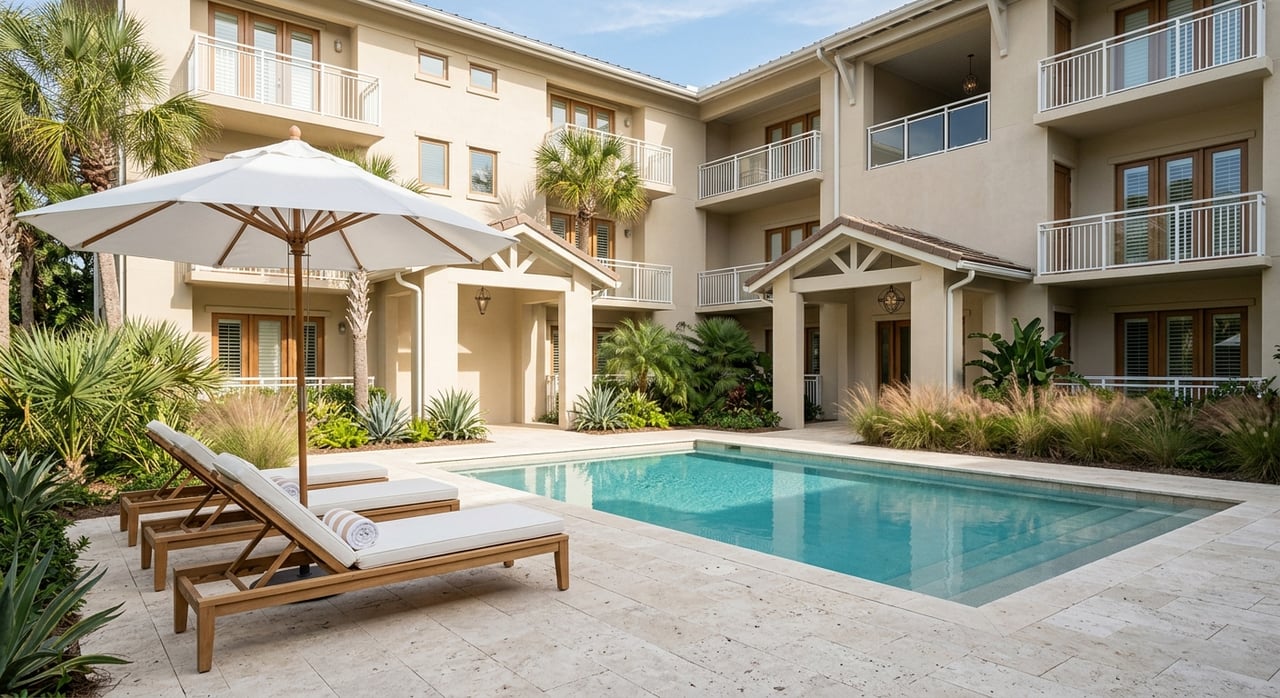
In South Carolina, condominium ownership means you own your individual unit plus a shared right in the common elements. Under the state’s Horizontal Property Act, common elements can include things like foundations, roofs, halls, lobbies, stairways, elevators, and shared utilities.
That setup is a big reason condos appeal to second-home buyers. If you want a property that feels easier to lock up and leave, a condo may fit your lifestyle better than a detached home.
What a condo can make easier
For many second-home buyers, the biggest condo advantage is convenience. Shared maintenance responsibilities often reduce the amount of exterior upkeep you need to manage yourself.
That can be especially helpful if you live out of town or plan to use the home only part of the year. A condo can offer a more manageable ownership experience when you want a coastal retreat without handling every maintenance task personally.
What condo buyers need to review closely
The tradeoff is governance. South Carolina’s property disclosure addendum requires sellers to provide HOA or condo documents and flags that owners association charges may include dues, fees, assessments, reserve charges, and transfer fees.
The same disclosure materials also warn buyers to check for rental, guest, animal, parking, and access-code restrictions. If you want flexibility for visitors or possible rental use, those details matter just as much as the floor plan or view.
Condo access and logistics matter too
Condo living can come with practical site rules that many second-home buyers do not think about at first. State disclosure forms specifically ask about assigned parking, lockers, garages, carports, and whether keys, key fobs, or access codes are needed for common or recreational areas.
In other words, you are not just buying the interior space. You are also buying into the building’s systems, shared spaces, and day-to-day operating structure.
Single-family homes: more freedom, more responsibility
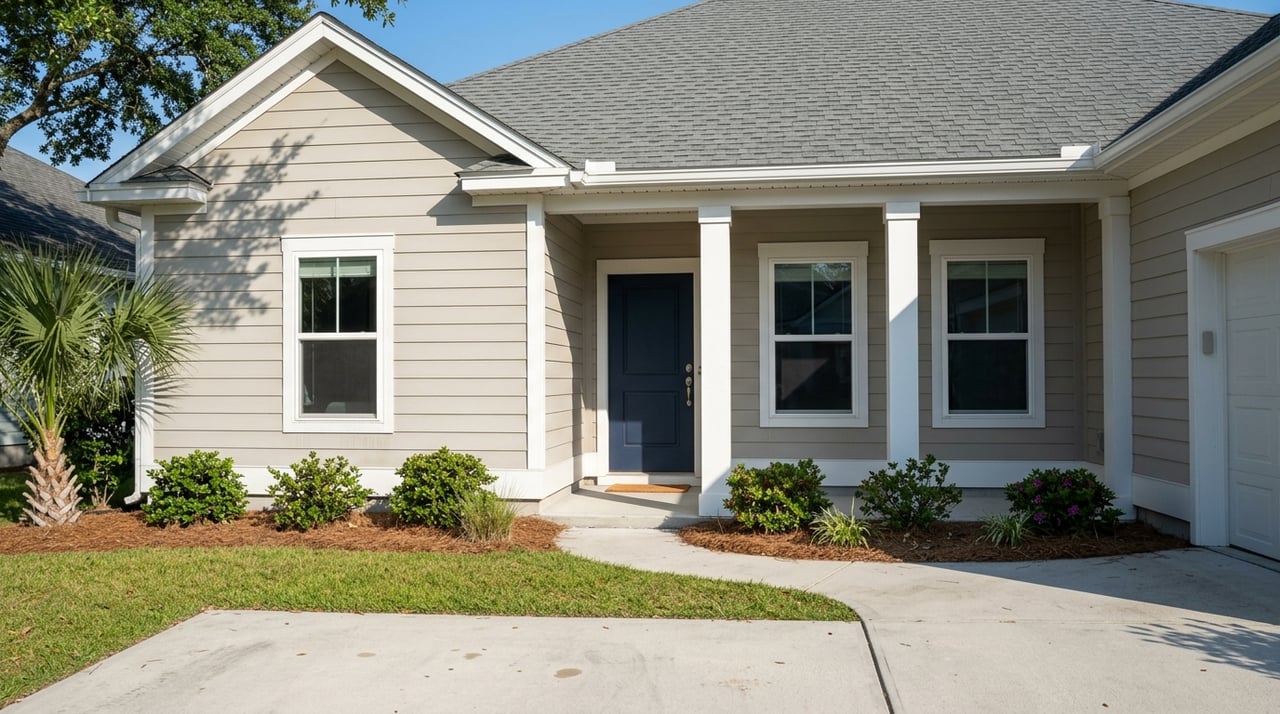
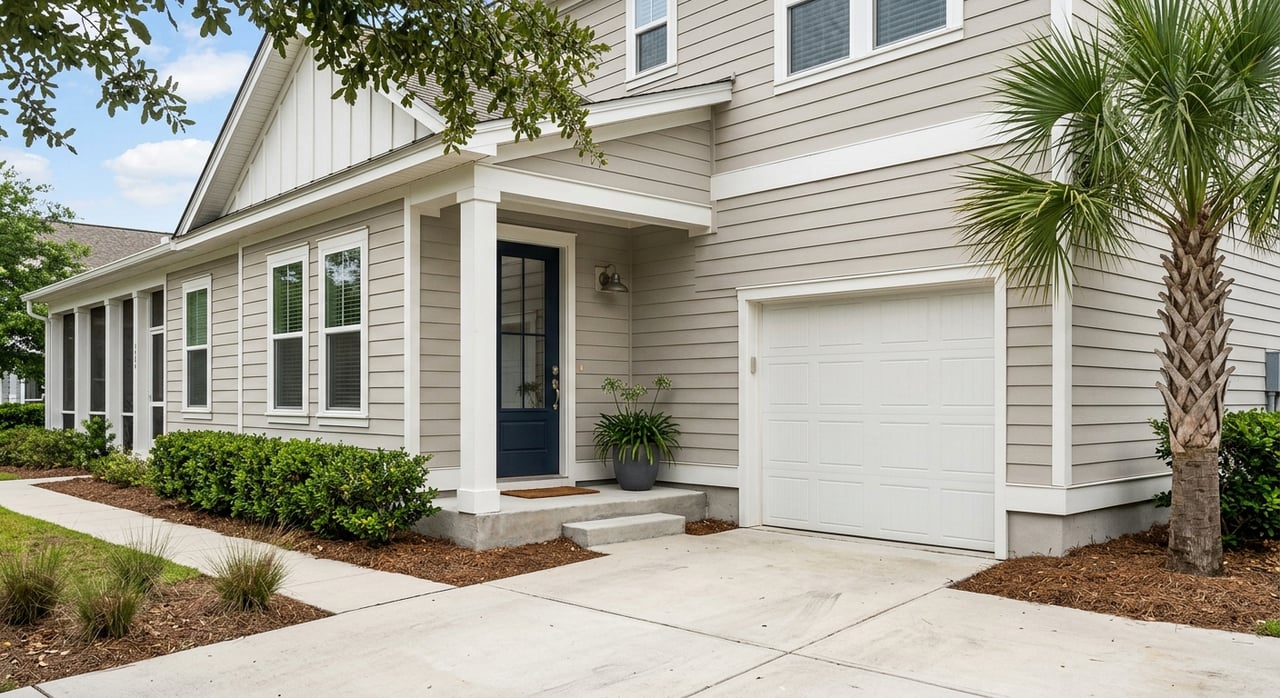
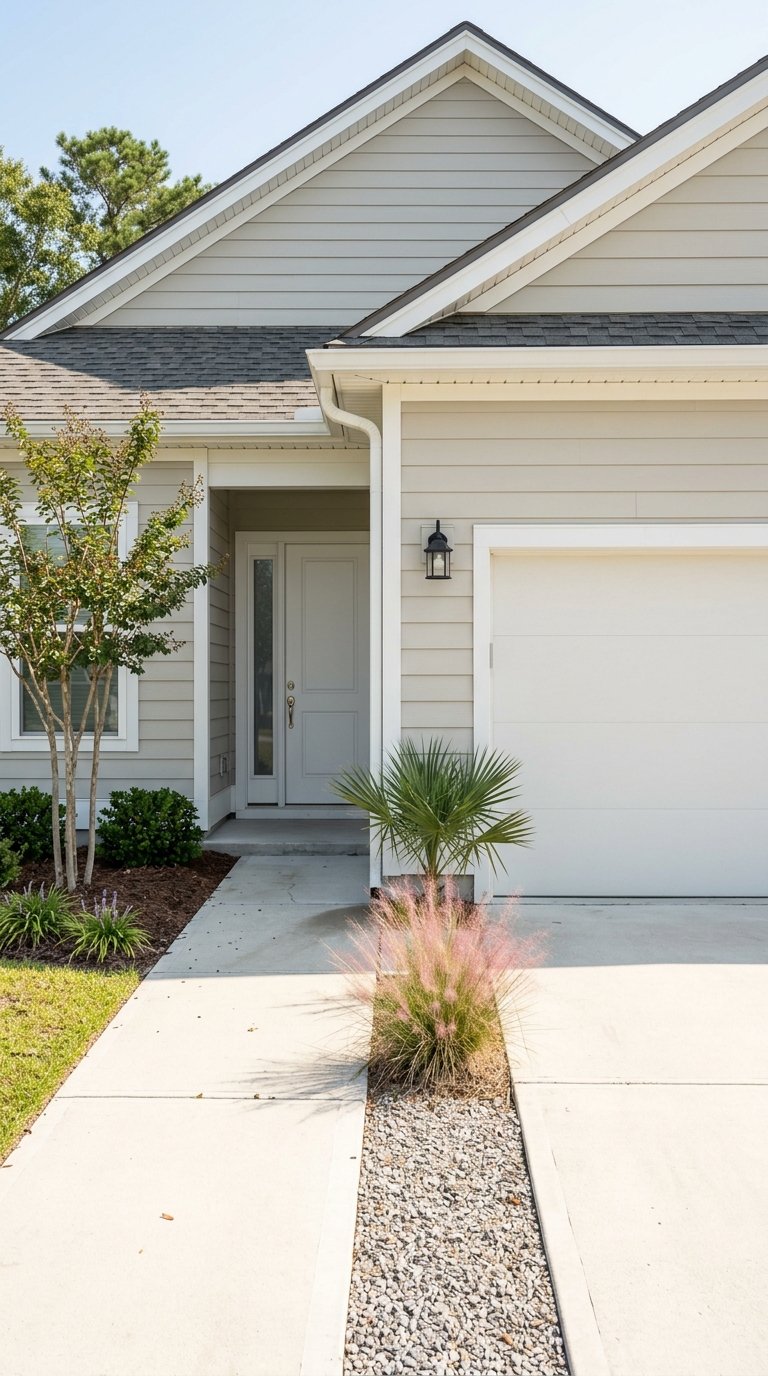
A single-family home usually gives you more control over the property. You are not part of the condominium common-elements model, so you typically have more autonomy over the home itself and how you use your outdoor space.
That often means more privacy and room to spread out. For many buyers, that is the main reason to choose a house over a condo in North Myrtle Beach.
Why some second-home buyers prefer houses
If your ideal second home includes a yard, extra storage, or a little more separation from neighbors, a detached home may feel like the better fit. A house can also be appealing if you simply want fewer shared-building logistics.
That added independence can be valuable, especially if your second home is part personal getaway and part long-term lifestyle purchase. For some buyers, having more direct control is worth the added work.
More control also means more direct upkeep
With a detached home, the maintenance burden is more direct. Exterior upkeep, yard care, storm preparation, and general property readiness often fall more squarely on you as the owner.
In a coastal setting, that can be a meaningful consideration. The South Carolina Department of Insurance notes that second-home costs can rise with beach exposure, and vacant second homes can face higher theft risk.
A house is not always rule-free
It is also important not to assume that a single-family home comes with no restrictions. South Carolina disclosure rules require sellers to disclose HOA governance, and buyers are told to review covenants, bylaws, deeds, and related documents before contracting.
The state’s residential property condition disclosure statement also asks whether the property is subject to short-term rental use or HOA governance. So even with a detached home, you still need to verify the rules instead of assuming complete freedom.
Rental use in North Myrtle Beach
If you may rent out your second home, local rules should be part of your decision from the start. In North Myrtle Beach, all short-term rentals within city limits must obtain a business license, renew annually, and remit rental accommodations tax.
The city also states that short-term rentals must follow local rules for trash, parking, noise, and occupancy. At the moment, the city says there is no special zoning or permit process beyond standard licensing.
What local rental planning should include
North Myrtle Beach’s rental quick-reference says both short-term and long-term rentals require a business license. It also says licenses do not transfer when a property sells, and the license year runs from May 1 through April 30.
That same city guidance notes that zoning does not generally restrict where short-term rentals are located, but some planned developments, development agreements, and HOA or POA documents may. That means city approval is only one layer of the review.
City rules are only part of the picture
For buyers comparing condos and homes, the better question is not simply, “Can I rent it?” The better question is, “What do the city, county, and association rules allow, and what costs come with that use?”
The city’s short-term rental guidance and quick-reference make clear that community rules can still limit rental use, even if city licensing is available. This is one area where condo documents and neighborhood governing documents deserve very careful review.
County fees and compliance matter
City rental accommodations reporting is separate from the business license. The city’s form states that rental accommodations tax and business license tax are different, and Horry County’s accommodations form shows a 1.5% county fee on transient rentals inside North Myrtle Beach.
If rental income is part of your plan, you will want to budget for compliance and ongoing reporting, not just the purchase price. A property that looks attractive on paper can feel very different once these layers are added.
Insurance and flood risk to compare
Insurance is one of the biggest practical differences in any coastal second-home purchase. The South Carolina Department of Insurance says second-home costs may rise because beach properties can face more wind damage and storm surge exposure, and vacant homes can carry higher theft risk.
The same guidance also states that standard homeowners insurance does not cover flood. In North Myrtle Beach, where the city identifies flood exposure from several water sources, flood planning should be part of your decision from day one.
Condo insurance versus house insurance
For condo owners, HO-6 policies are designed to cover personal belongings, improvements to the unit, and liability. The association typically insures the building exterior, and that exterior cost is generally included in monthly maintenance fees.
That can simplify part of the insurance picture, though it does not eliminate the need to understand exactly what the association covers and what falls to you. You still want a clear view of your own policy needs.
Why exact location matters
Flood exposure can vary from one parcel or building to the next. That is why address-level flood-zone review is so important when comparing properties in North Myrtle Beach.
Two homes that seem close together can have different risk profiles and different insurance implications. Verifying the exact property through the official flood map source can help you avoid surprises later.
Taxes and ongoing ownership costs
A second home in Horry County is taxed differently from an approved primary residence. Horry County states that property not approved for Legal Residence is taxed at the 6% assessment ratio, while approved primary residences qualify for the 4% rate.
That distinction matters because a second home generally will not receive the primary-residence classification. If you are comparing monthly carrying costs, taxes need to be part of the conversation.
Condo costs versus house costs
With a condo, you should expect HOA dues and possibly special assessments or reserve charges. Those costs help support the shared property structure, but they still affect your monthly budget.
With a single-family home, you may have fewer shared-building charges, but you should plan more directly for exterior maintenance, yard care, and storm readiness. Neither option is automatically cheaper. The cost structure is simply different.
How to decide which is better for you
The right fit usually depends on how you want to use the property. If you want a low-maintenance second home that is easier to manage from afar, a condo may check more boxes.
If you want more privacy, more outdoor space, and more direct control, a single-family home may make more sense. The key is matching the property type to your real priorities, not just the listing photos.
A simple decision framework
As you compare condos and homes in North Myrtle Beach, focus on these five filters:
- Maintenance load: How much upkeep do you want to handle yourself?
- Association rules: What limits apply to rentals, guests, parking, pets, or access?
- Insurance profile: How do vacancy, wind exposure, and flood risk affect costs?
- Taxes and fees: What will you pay in property taxes, dues, assessments, licenses, and local rental fees?
- Lifestyle fit: Do you want convenience and shared amenities, or more privacy and autonomy?
When you use this framework, the choice usually becomes much clearer. In North Myrtle Beach, the better second home is often the one that fits your ownership style as much as your budget.
If you want help comparing condos, homes, and off-market opportunities across North Myrtle Beach and the Grand Strand, connect with Mary Richards for personalized guidance built around how you actually plan to use your second home.
FAQs
What is the main difference between a condo and a home for a North Myrtle Beach second home?
- A condo usually offers lower-maintenance ownership with shared building responsibilities, while a single-family home usually offers more privacy and control but more direct upkeep.
Do North Myrtle Beach condos and homes both allow short-term rentals?
- Not always. North Myrtle Beach requires a business license for short-term rentals, but condo associations, HOAs, POAs, planned developments, or development agreements may still limit or prohibit rental use.
Does flood risk matter when buying a second home in North Myrtle Beach?
- Yes. The city says North Myrtle Beach is subject to flooding from the ocean, the Intracoastal Waterway, and inland waterways, so buyers should verify the exact property’s flood-zone status through the official FEMA flood map source.
Are second homes taxed differently in Horry County?
- Yes. Horry County says property not approved for Legal Residence is taxed at the 6% assessment ratio, while approved primary residences qualify for the 4% rate.
Is condo insurance different from house insurance in South Carolina?
- Yes. The South Carolina Department of Insurance says HO-6 policies are designed for condo owners and generally cover belongings, improvements, and liability, while the association typically insures the building exterior.
What should I review before buying a North Myrtle Beach second home for rental use?
- You should review city licensing requirements, county fees, flood exposure, insurance needs, and all HOA, condo, POA, or development documents that may affect rental use, guests, parking, noise, and occupancy.